From Sweden to Norway – A Pilgrimage of Resilience, Endurance and Reflection.

Embarking on any pilgrimage is more than just a physical challenge, it’s a journey of the mind, body, and soul.

The Route and Preparation

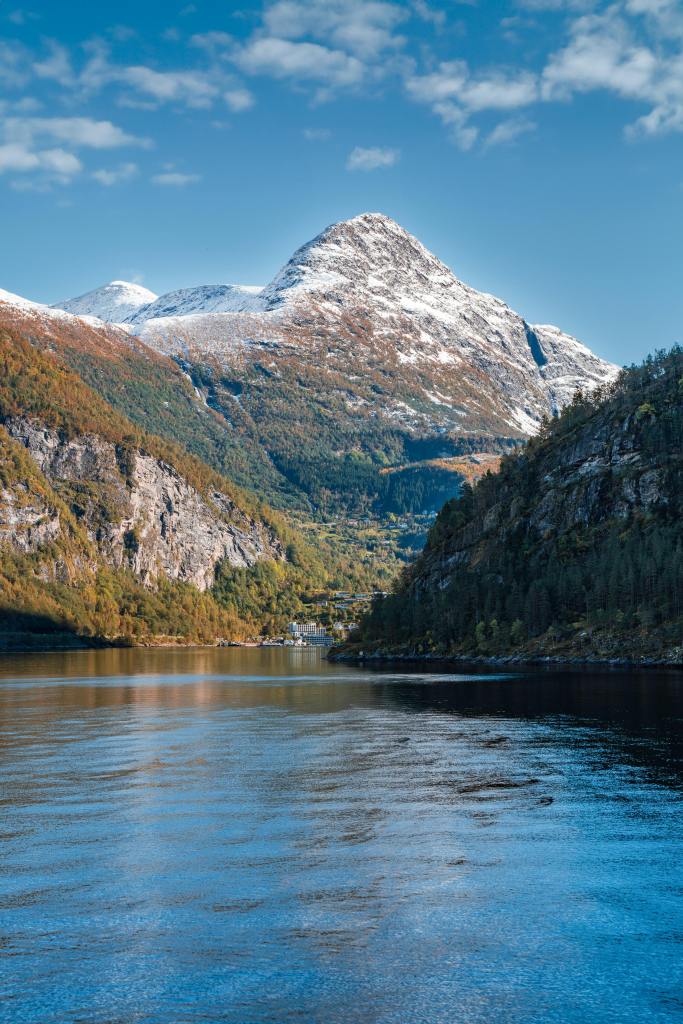
This pilgrimage follows the footsteps of St Olaf where other travellers have also walked this path, it can start in Arne, Sweden and will finish at the Nidaros Cathedral, Trondheim in Norway. The trail winds through breathtaking diverse landscapes, such as dense forests, mountains, forest and lakes, offering moments of solitude and a chance to connect with nature.

Physical Training for the Journey

Training for a long-distance trek requires a structured fitness regimen, incorporating a mix of cardiovascular workouts, hill walking, strength training, and flexibility exercises. Long-distance walks with a weighted backpack to help simulate real conditions, ensuring your legs and core are well-prepared for the extended periods of walking. Strength training, particularly focusing on the lower body and core, enhances stability and reduces the risk of injury and resistance exercises such as squats, lunges, and step-ups to build leg strength with a focus on foot and ankle stability exercises.

Pilates for Strength and Conditioning

Pilates promotes better posture and alignment, which is vital for maintaining endurance over long distances. Integrating Pilates into training improves overall body awareness and reduces fatigue during extended walks, where the stretching improves flexibility, which is essential for preventing muscle stiffness on long consecutive trekking days. Additionally, interval training and uphill hiking will boost my endurance levels, making the steep ascents more manageable.

Embracing the Challenge

It can be often said that pilgrimage is not just about reaching the destination but embracing every step and learning lessons along the way, whether this is pushing through the comfort zone and feeling a sense of achievement at the end or just enjoying the peaceful silence of the trail, but connecting to culture and local communities and meeting other walkers is one of the highlights of these walks, which makes the journey rewarding.

Seeking Support and Sharing Knowledge

For anyone considering a pilgrimage and looking for advice on sports fitness and exercise preparation, feel free to get in touch for a personalised tailored programme. Proper training can make all the difference in ensuring a fulfilling, enjoyable and injury-free journey.

Sacred Steps on the Via Francigena Pilgrim Route

I am off walking part of the St Francigena Pilgrim route this Saturday 9th starting in Italy, I hope the foot stays strong, after slipping whilst running on the hills, and suffering an ankle sprain to the right foot, 6 weeks ago. I have been working hard on Pilates exercises for strength, balance and flexibility and now feeling in a good place to start this exciting Camino. As well as the personal challenge, I will also be conducting research into the health and wellbeing of Pilgrims who walk this route as part of my MA Outdoor Education.

The Via Francigena is an ancient pilgrimage route that spans from Canterbury, England, to Rome, Italy. Similar to the more famous Camino de Santiago in Spain, the Via Francigena is a network of paths and roads that have been used for centuries by pilgrims traveling to Rome. Here is some brief information about the Via Francigena pilgrimage:

  1. Route: The route has evolved over the centuries and there are multiple variations, but the most common and well-marked path begins in Canterbury, England, and passes through France, Switzerland, and Italy, ending in Rome. The entire route covers a distance of approximately 1,200 miles (about 1,930 kilometers).
  2. Pilgrimage Experience: Like other long-distance pilgrimage routes, the Via Francigena offers a unique experience for those who undertake it. Pilgrims walk through picturesque countryside, historic towns, and villages. Along the way, they have the opportunity to meet fellow pilgrims, engage with local cultures, and visit significant religious and historical sites.
  3. Season: The best time to walk the Via Francigena depends on the specific section and your tolerance for different weather conditions. Spring (April to June) and early autumn (September to October) are generally considered the best times, as the weather is milder. Summers can be hot, and winters are often cold, especially in higher-altitude regions.
  4. Purpose: Pilgrims walk the Via Francigena for various reasons, including religious devotion, spiritual reflection, physical challenge, and cultural exploration. Some people also undertake it for historical or personal reasons.
  5. The Via Francigena offers a deeply enriching and transformative experience for those who undertake it, allowing pilgrims to connect with their faith, history, and the landscapes of Europe. It continues to be a popular pilgrimage route, attracting people from all over the world.

Psychological Well being and Exercise

There are numerous studies and research on the many physical benefits of exercise to include aerobic exercise, muscular strength and endurance, flexibility and balance, however, there is increasing evidence to list the psychological and cognitive benefits and its relation to physical exercise, some of these include; heightened mood state, less anxiety, stress and depression, improved self esteem and body image. Studies conducted in Finland on participants between the ages of 24-64 explored the association between physical exercise and psychological traits and demonstrated that participants who exercise at least 2-3 times a week experienced less anger, distrust, depression and report a stronger sense of social integration compared to those who lead sedentary lifestyles.

Portugal-Santiago Camino

I am preparing for a summer Camino, Portugual to Santiago. This Camino is recommended as the next Pilgrim route to take for those who have some experience of the Camino Frances and it is growing every year in popularity. Apparently the route was popular in the middle ages resulting in many walkers from across Europe undertaking the challenge. This South to north Camino will involve some coastal walking, making it ideal for walking enthusiasts looking for a sense of adventure, whilst visiting interesting towns and villages, trying local cuisine and wine. Some Portuguese words would be useful I am told to integrate with the community.

Camino & Resilience

pexels-photo-562623

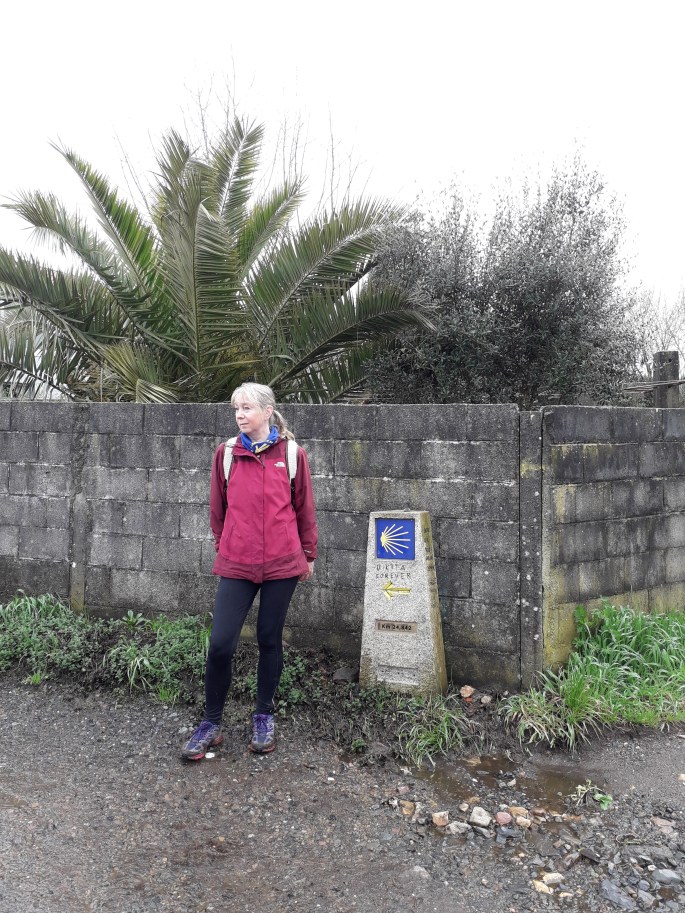
The route continued to Palas De Rei. After leaving Portomarin, crossing the River Mino we continued uphill steadily through woodland, the rain continued and got heavier and heavier. Continuing through small hamlets, passing the Hospital de la Cruz. Arriving at Vendas de Naron to get a ‘pilgrim stamp’ the old Romanesque Chapel, then continuing along the paved path, arriving at Sierra de Ligonde which offered fantastic views over the valleys. Particular parts of the route were isolated and quiet, apart from a rather large dog. The fog was dense and we were soaked through.

Approaching A Calzada the weather was so bad, we took shelter under a tree. There were other walkers, one an Australian man, we had met further back in other towns.  After discussing the weather, our blisters, stories of one walker getting frostbite back in the Pyrenees, our conversation compared the weather to life and the Camino, there are good and bad times, but we must press forwards.

The Camino de Santiago builds resilience, both emotionally and physically, it enables us to develop a positive mind and can-do-attitude.  We can integrate resilience into our lives on a daily basis, by being more active, getting more sleep and eating well, forgiving ourselves and resolving conflict. These small steps can help us improve our mental health and to face everyday challenges.

Pilgrimage Sarria-Santiago April 2018

pexels-photo-562623

This is my second Camino de Santiago de Compostela and I am gathering everything together for the last leg of the trip.  I want to help you with your packing if you are walking the Camino. As the walk is longer this year, I have made some adjustments to my packing.

Essentials: Cross trainers with insoles – I find these trainers much lighter than hiking boots as they are lighter, insoles help with plantar fasciitus, a painful foot problem. A  massage ball to stretch and release any pain after each day’s walk. Fleeces, a light weight jacket with a hood, T-shirts, long sleeve breathable to wick away any moisture. The temperature can change, it could be chilly or hot, so you need to prepare for unpredictable weather. Leggings, these are a super, easy, light weight garment which can be rolled up and do not to forget to pack your shorts. Walking sticks, you can buy these from any outdoor store.  A good supportive sports bra which avoids friction. Separate shoes to change into, socks (loads of pairs). First aid kit – plasters, taping, anti-inflammatory medicines.  Maps, Credencial del Peregrine. Sun tan cream, glasses, camera, hat.  Have a great Camino.

pexels-photo-297755