
From Sweden to Norway – A Pilgrimage of Resilience, Endurance and Reflection.

Embarking on any pilgrimage is more than just a physical challenge, it’s a journey of the mind, body, and soul.

The Route and Preparation

This pilgrimage follows the footsteps of St Olaf where other travellers have also walked this path, it can start in Arne, Sweden and will finish at the Nidaros Cathedral, Trondheim in Norway. The trail winds through breathtaking diverse landscapes, such as dense forests, mountains, forest and lakes, offering moments of solitude and a chance to connect with nature.

Physical Training for the Journey

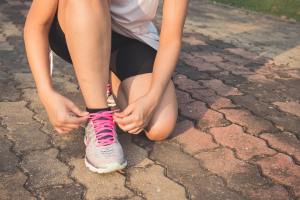
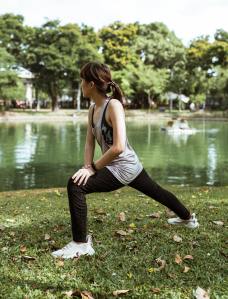
Training for a long-distance trek requires a structured fitness regimen, incorporating a mix of cardiovascular workouts, hill walking, strength training, and flexibility exercises. Long-distance walks with a weighted backpack to help simulate real conditions, ensuring your legs and core are well-prepared for the extended periods of walking. Strength training, particularly focusing on the lower body and core, enhances stability and reduces the risk of injury and resistance exercises such as squats, lunges, and step-ups to build leg strength with a focus on foot and ankle stability exercises.

Pilates for Strength and Conditioning

Pilates promotes better posture and alignment, which is vital for maintaining endurance over long distances. Integrating Pilates into training improves overall body awareness and reduces fatigue during extended walks, where the stretching improves flexibility, which is essential for preventing muscle stiffness on long consecutive trekking days. Additionally, interval training and uphill hiking will boost my endurance levels, making the steep ascents more manageable.

Embracing the Challenge

It can be often said that pilgrimage is not just about reaching the destination but embracing every step and learning lessons along the way, whether this is pushing through the comfort zone and feeling a sense of achievement at the end or just enjoying the peaceful silence of the trail, but connecting to culture and local communities and meeting other walkers is one of the highlights of these walks, which makes the journey rewarding.

Seeking Support and Sharing Knowledge

For anyone considering a pilgrimage and looking for advice on sports fitness and exercise preparation, feel free to get in touch for a personalised tailored programme. Proper training can make all the difference in ensuring a fulfilling, enjoyable and injury-free journey.
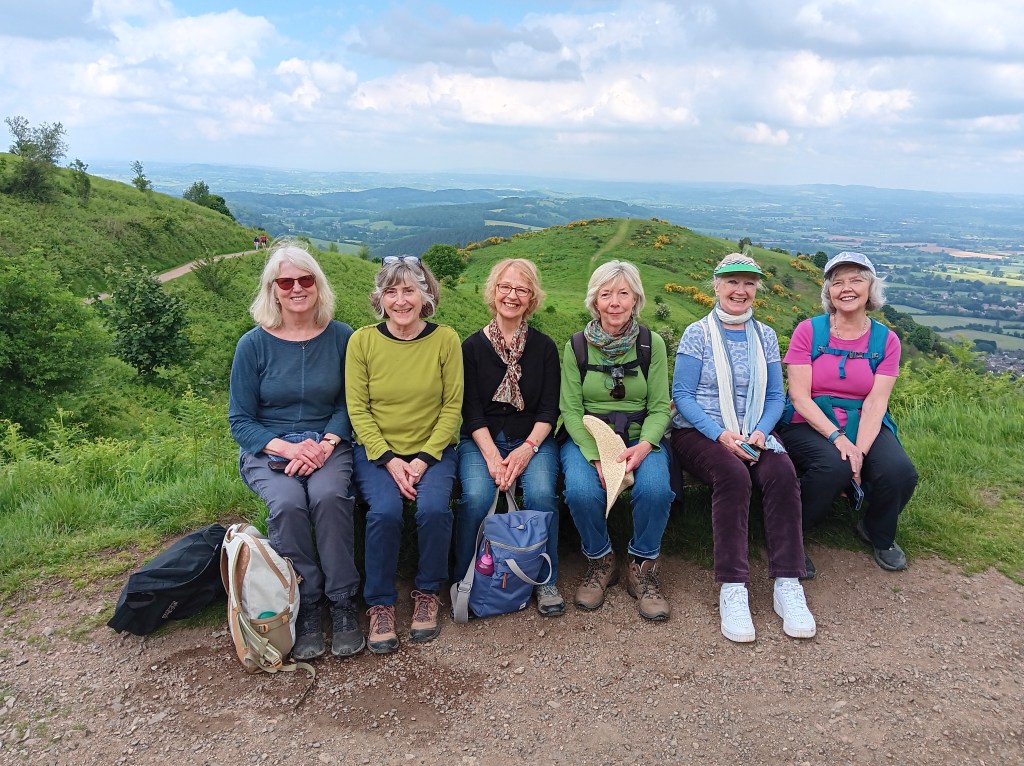
Outdoor Fitness Walking & Pilates Day. Connecting Through Movement, Experience the Joy of Walking Together.

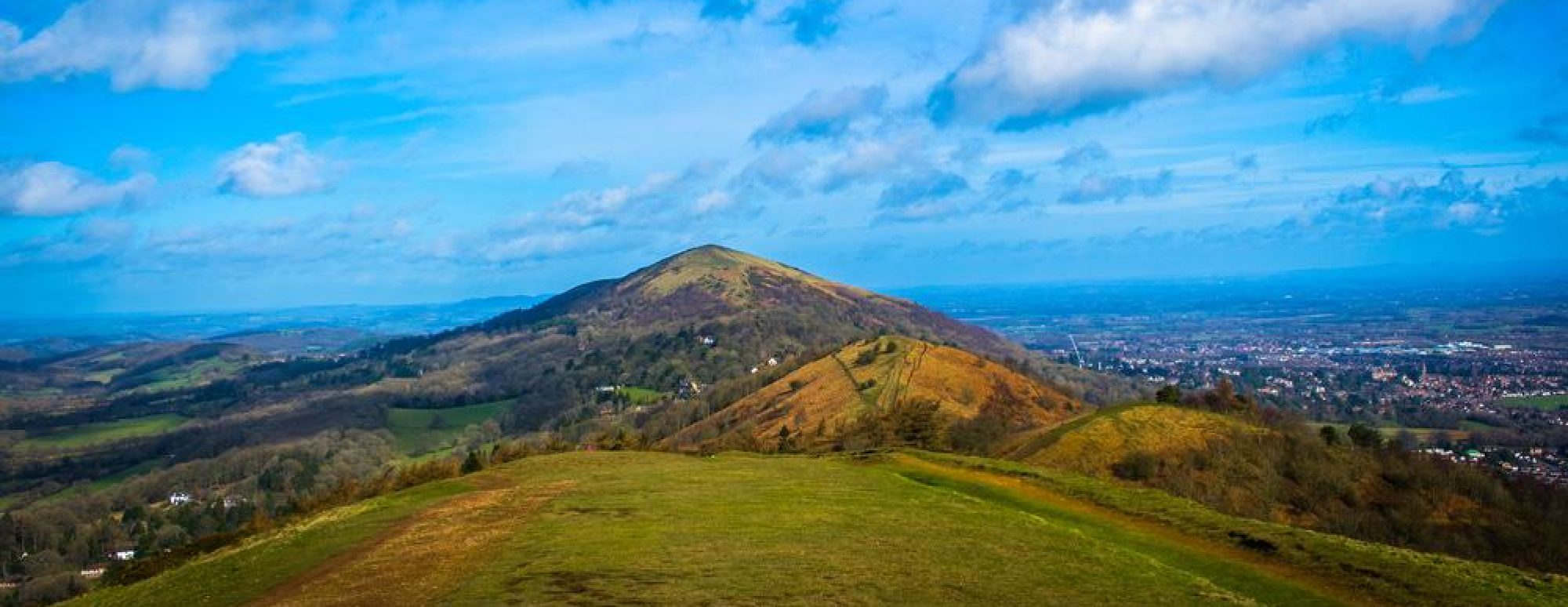
Walking with clients is more than just exercise; it’s a shared journey towards better health, deeper connections, and enhanced well-being. The fitness day was carefully designed which offered a blend of physical activity, mental relaxation, Pilates and social interaction. Our scenic picturesque path started with a steady 6 mile walk on the Malvern Hills, our mindful walk led to discussions on the landscape and local flora. Walking side by side fosters relaxation and engaging conversations.

The small group enables a shared experience which promotes a sense of community and mutual encouragement, whilst shared goals fosters camaraderie and a sense of accomplishment.

After the walk the group participated into a rejuvenating Pilates session of exercises designed to enhance their strength, flexibility, and overall well-being, with an emphasis on mind-body connection, ensuring participants finished the day feeling balanced and energized. This carefully curated day combines the physical benefits of walking and Pilates with the mental benefits of mindfulness and social interaction, ensuring a comprehensive wellness experience for all participants.

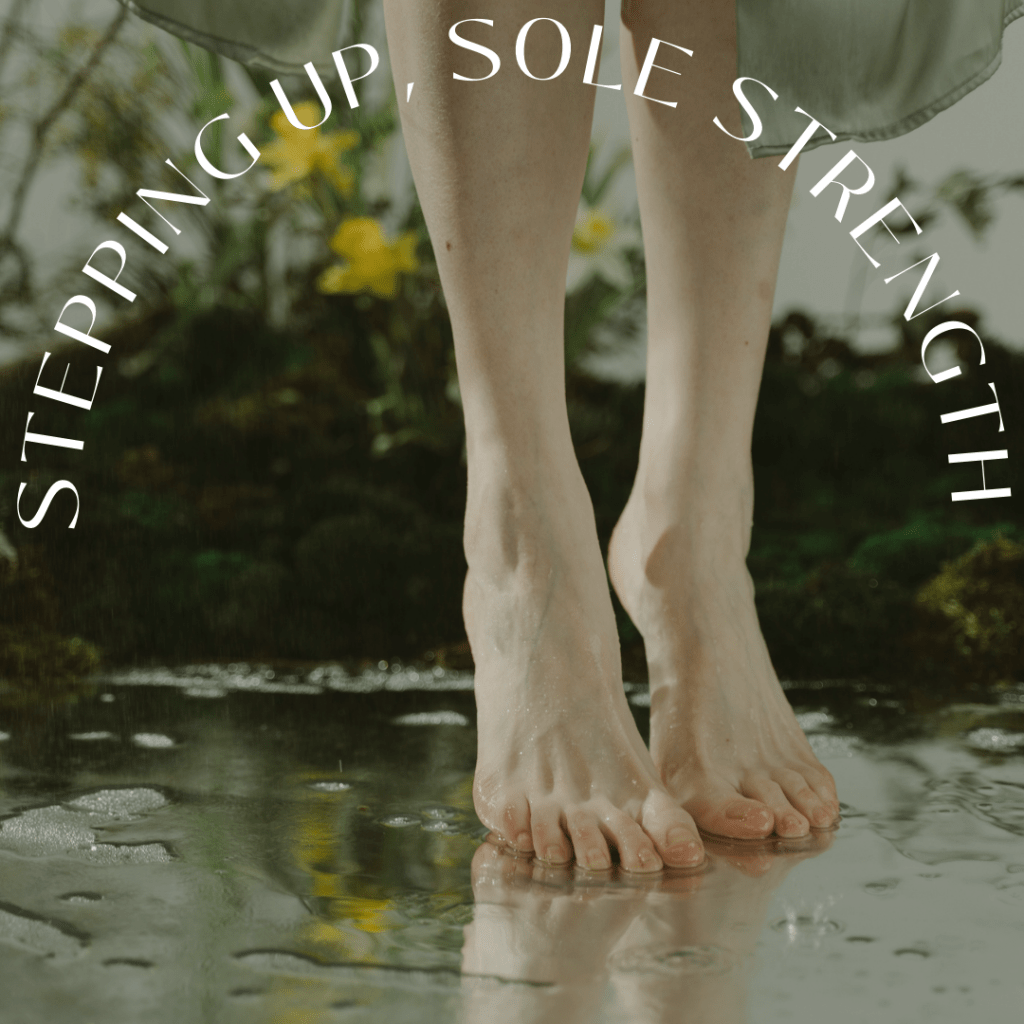
Stepping Out – Sole strength

Why is it important to do foot exercises?

Here are a few benefits:

  1. Improved Strength: Exercises like toe curls, heel raises, and toe spreads help strengthen the muscles in your feet, ankles, and lower legs. This added strength can enhance stability and reduce the risk of injuries.
  2. Enhanced Flexibility: Stretching exercises such as toe stretches, ankle rolls, and calf stretches improve the flexibility of your feet and ankles. This increased flexibility can prevent stiffness and discomfort.
  3. Balance and Stability: Certain exercises, like standing on one foot or using balance pads, can improve balance and proprioception. This is crucial for preventing falls and maintaining stability, especially as you age.
  4. Prevention of Foot Problems: Regular foot exercises can help prevent common foot problems such as plantar fasciitis, Achilles tendinitis, and shin splints by keeping the muscles and tendons in your feet and ankles strong and flexible.

Regular practice of exercises for the feet not only improves sensory perception but also contributes to overall health, balance and mobility for all ages.

Sacred Steps on the Via Francigena Pilgrim Route

I am off walking part of the St Francigena Pilgrim route this Saturday 9th starting in Italy, I hope the foot stays strong, after slipping whilst running on the hills, and suffering an ankle sprain to the right foot, 6 weeks ago. I have been working hard on Pilates exercises for strength, balance and flexibility and now feeling in a good place to start this exciting Camino. As well as the personal challenge, I will also be conducting research into the health and wellbeing of Pilgrims who walk this route as part of my MA Outdoor Education.

The Via Francigena is an ancient pilgrimage route that spans from Canterbury, England, to Rome, Italy. Similar to the more famous Camino de Santiago in Spain, the Via Francigena is a network of paths and roads that have been used for centuries by pilgrims traveling to Rome. Here is some brief information about the Via Francigena pilgrimage:

  1. Route: The route has evolved over the centuries and there are multiple variations, but the most common and well-marked path begins in Canterbury, England, and passes through France, Switzerland, and Italy, ending in Rome. The entire route covers a distance of approximately 1,200 miles (about 1,930 kilometers).
  2. Pilgrimage Experience: Like other long-distance pilgrimage routes, the Via Francigena offers a unique experience for those who undertake it. Pilgrims walk through picturesque countryside, historic towns, and villages. Along the way, they have the opportunity to meet fellow pilgrims, engage with local cultures, and visit significant religious and historical sites.
  3. Season: The best time to walk the Via Francigena depends on the specific section and your tolerance for different weather conditions. Spring (April to June) and early autumn (September to October) are generally considered the best times, as the weather is milder. Summers can be hot, and winters are often cold, especially in higher-altitude regions.
  4. Purpose: Pilgrims walk the Via Francigena for various reasons, including religious devotion, spiritual reflection, physical challenge, and cultural exploration. Some people also undertake it for historical or personal reasons.
  5. The Via Francigena offers a deeply enriching and transformative experience for those who undertake it, allowing pilgrims to connect with their faith, history, and the landscapes of Europe. It continues to be a popular pilgrimage route, attracting people from all over the world.

The Nature Cure: Reconnecting for Healing

Nature and outdoor environments can play a significant role in aiding the healing process of injuries, both physical and emotional. After suffering an ankle sprain whilst hill trail running recently, I outline several ways in which spending time in nature has helped contribute to healing:

Stress Reduction: Nature is known to have a calming and soothing effect on the mind. Being surrounded by natural beauty, whether it’s a forest, a beach, or a park, can help reduce stress and promote relaxation. Lower stress levels can contribute to better overall healing and recovery.

Physical Activity: Engaging in gentle physical activities in nature, such as walking, can aid circulation, improve mobility, and encourage the body’s natural healing mechanisms. Controlled and appropriate physical activity can prevent muscle atrophy, reduce stiffness, and promote overall fitness. Pilates exercises. Ankle sprains can affect balance and proprioception (awareness of body position in space). Pilates exercises often incorporate balance challenges and controlled movements, which can help retrain the proprioceptive feedback system and restore better balance to the injured ankle.

Fresh Air and Oxygen: Spending time outdoors exposes you to fresh air, which is often cleaner and more oxygen-rich than indoor air. This increased oxygen intake can help with tissue healing and cell regeneration.

Mind-Body Connection: Nature has a positive impact on mental well-being. When your mind feels better, it can positively influence your body’s ability to heal. Nature’s tranquility and beauty can promote a positive outlook, which in turn can support healing.

Distraction and Positive Engagement: Being in nature provides a change of scenery and an opportunity to engage in activities that you enjoy. This distraction can help take your mind off pain or discomfort and provide a positive focus.

Boosting Immune System: Some studies suggest that spending time in natural environments can enhance the immune system’s function. A stronger immune system can support the body’s healing process.

Enhanced Mood and Emotional Healing: Nature has been linked to improved mood, reduced anxiety, and even alleviation of symptoms of depression. Emotional well-being is closely linked to physical healing, as a positive mental state can contribute to a faster recovery.

Mindfulness and Relaxation: Nature provides an ideal setting for practicing mindfulness and relaxation techniques. These practices can lower stress levels, reduce pain perception, and promote a sense of calm that aids in healing.

Rest and Restoration: Nature offers a peaceful and serene environment that can promote restorative sleep, which is crucial for the body’s healing processes.

8 Quick Strategies to Overcome Procrastination when it comes to Exercising:

1. Break it down into smaller, more manageable tasks: Instead of thinking of exercise as one large and daunting task, break it down into smaller, more achievable steps. This could include setting aside time for stretching, going for a short walk, or doing a quick workout video.

2. Make a plan and schedule it: Set a specific time and date for exercise and stick to it. Schedule it into your daily routine so it becomes a habit.

3. Find an accountability partner: Enlist the help of a friend or family member to hold you accountable for your exercise routine. This could include checking in with them regularly or even exercising together.

4. Create an enjoyable experience: Find ways to make exercise more enjoyable, such as combining your exercise in a different environment such as the outdoors, whilst appreciating nature.

5. Reward yourself: Create a reward system for when you complete your exercise routine. This could be anything from treating yourself to a favourite snack or activity to buying a new workout outfit.

6. Use positive self-talk: Use positive self-talk to motivate yourself and overcome negative thought patterns. Focus on the benefits of exercise and remind yourself that it’s a form of self-care that will improve your overall health and well-being.

7. Start small and build up: If you’re just starting out, don’t feel like you have to jump into intense workouts right away. Start small with a few minutes of exercise each day and gradually build up over time.

8. Remember, it’s normal to struggle with procrastination when it comes to exercise, but with some dedication and the right strategies, you can overcome it and make exercise a regular part of your routine.

6 Reasons to Attend a Wellbeing Retreat

Health & wellbeing in an outdoor environment, connecting both body-mind.

The definition of a retreat is that you travel for a purpose of promoting health and wellbeing through physical, psychological and/or spiritual places where you are able to get away from the stress of daily life to unwind, recharge and relax, this is usually a location by the sea, park, forest surrounded by nature and nice landscapes and can range between 1 day to 1 week or more.  The idea is to improve your health and wellbeing through connection, exercise, take stock and pause, whilst facilitating peace and calm.

Wellbeing retreats have developed over decades, the aim is to help people live a more harmonious life, a typical day of an exercise retreat may involve a group of people taking a walk, incorporating some Pilates, Yoga and breathing, engaging in meaningful conversation and eating healthy.

You don’t have to travel to exotic destinations and undertake 2 weeks, just 1 day in a local environment will allow disconnection from routine, technology and the on-line world, it allows a shift of your perspective and can boost your energy and revitalise you, an exercise retreat is aimed both at addressing both body and mind, the physical and psychological.  You take away the stress of normal life allowing a more mindful, balanced and connected life.

6 Reasons to undertake a Wellbeing Day

  1. Reconnect, bring zest back into your life.
  2. Get outdoors into the fresh air.
  3. Connect with nature, become curious and explore new landscapes and geography.
  4. Switch off from life’s busyness.
  5. Get expert advice from the leaders on the wellbeing day.
  6. Take away and implement strategies learnt and incorporate them into your everyday living.

Prevention of knee injuries in female footballers

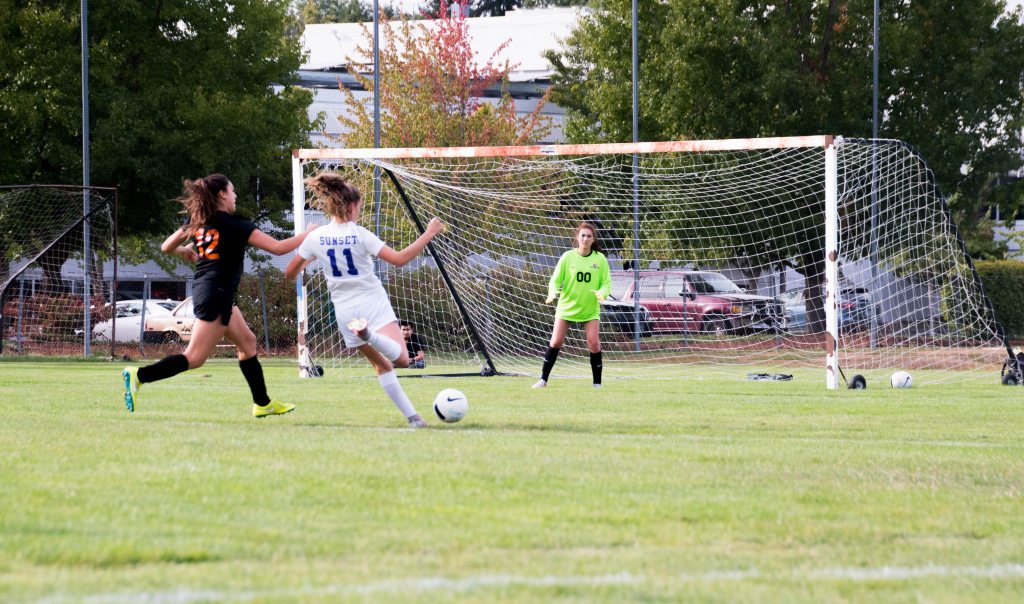
Football soccer is the most popular sport worldwide, there are around 265 million players with trends showing a rapid growth in the sport and in particular female players. One of the most common injuries is that of the knee with the anterior cruciate ligament being the most serious in terms of the onset of osteoarthritis and long-term absence from the sport.

Knee injuries in female footballers is higher compared to males with adolescent girls being at risk most.  Studies undertaken by Walden, et al (2012) suggest in their data that a programme consisting of a neuromuscular warm up significantly reduced ACL injuries, these exercises consisted of core stability and knee control activities. 

Performance in football is determined by many factors, physiological, psychological and biomechanical, although the emphasis has been on the main factors of health-related fitness such as cardiorespiratory fitness, flexibility, speed, muscular strength and endurance, Nikolaidis (2010) states a question on the contribution of core stability in injury prevention and health has also been raised.   Core stability may provide several benefits to the musculoskeletal system, ranging from low back health and preventing knee ligament injury by providing a foundation for greater force production by upper and lower extremities in sport performance.

Core stability is the ability to control the position and motion of the trunk over the pelvis to allow optimal output, transfer and control of force. Nikolaidis (2010) argues decreased core stability was reported to be associated with a higher risk of injuries in the knee or lower back.  This is supported by Myklebust & Steffen (2009) who claims prevention programmes should be implemented from the ages of 12-14, focusing on a warm up with good movement patterns, exercises which address and improve the lower extremity, core strength as well as awareness and neuromuscular control during static and dynamic movements.

References:

Myklebust, G & Steffen, K (2009) Prevention of ACL injuries: how, when and who. doi:org/10.1007/500167-009-0826-9

Nikolaidis, P (2010) Core stability of male and female football players. doi: 2478/v10101-010-0007-9

Walden, M, Atroshi, I, Magnusson, H, Wagner, P & Hagglund, M (2012) Prevention of acute knee injuries in adolescent female football players: BMJ 2012:344:e3042

Integrated Pilates & Yoga, Childrens Performance in Education

Standing Tall

INTEGRATED PILATES & YOGA, CHILDRENS PERFORMANCE IN EDUCATION

Pilates and yoga are mind-body systems which both emphasise breathing, relaxation, posture, muscular strength and endurance and flexibility.  There is much science behind the connection of the mind and body and the link between the release of specific chemicals released when undertaking movements and many have already reaped the many benefits of practising both disciplines regularly. 

CHALLENGES CHILDREN FACE IN LEARNING

Many children can face challenges in their learning which can affect their mental, academic and physical well-being.  Studies were conducted on elementary and middle school children in education and found that yoga had an effect on improved grades, better health through a reduction in obesity and health problems, the research suggests that mindfulness activities such as Pilates and yoga can also assist children in class lessons because they are calmer, find it easier to complete tasks improved concentration as well as having a healthy body image which leads to more confidence in themselves compared to those who have a negative body image, which could result in low self-esteem and become a distraction in the class.   (Eggleson, Brandon, 2015).  Furthermore (Peck & Kehle, 2005) revealed that younger children who took part in 30 minutes of yoga, twice a week for 3 weeks completed tasks on time compared to those who didn’t take part.

YOGA FOR CHILDREN WITH SPECIAL NEEDS

Children with special needs may also benefit from undertaking Pilates or yoga as both mind-body systems focus the mind and attention on the movement, those in particular with conditions such as ASD (autism-spectrum disorder), as the skills learnt in these disciplines enable improved sensory information processing, motor control, communication and improved cognitive processing of information from perception, problem solving, reasoning, thinking and learning are factors linked with yoga participation which can help those lead a more healthy, balanced life. (Etheringer, 2010).  Particular Pilates/yoga exercises which are similar in nature have been associated with an increase in attention and memory as there is an increased blood flow to the brain, (Schaeffer, 2002) claimed “yoga can prevent memory lapses by calming you and enhance concentration.  It can also improve your powers of recall by increasing blood circulation to your brain”.

INCORPORATE PILATES & YOGA INTO LESSONS

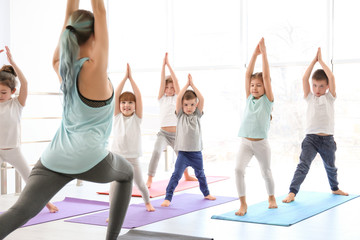
Physical activities linked to Pilates and yoga can be part of your curriculum and can be blended into lessons for 5 and 10 minutes by incorporating a story during reading, writing combined with Pilates and Yoga poses and breathing techniques.  Some simple exercises can include:  Standing tall like a Tree, Seal stretch, Bridge and Tortoise.  By introducing some exercises also promotes physical activity and encourages a healthy lifestyle.

BIBLIOGRAPHY

E
ggleston, B & Brandon, J.E (2015) available at: International Journal of Health & Wellness Society, Vol 5, Issue 3, p 1-7

Etheringer, J (2010) Yoga for children on the Autism Spectrum, International Journal of Yoga Therapy, Vol 20, No 1. Pp 131-139

Peck, H.L & Kehle, T.J (2005) Yoga as an intervention for children with attention problems. School Psychology Review, 34 (3) 415-424

Schaeffer, R (2002) Athletic Insight, The Online Journal of Sports Psychology, Vol 9, Issue 2, June 2007

Live on line Fitness Community

Live on line fitness community classes are a superb way of connecting with like minded people who share a common interest in health and well-being. Live on line classes also offer a wider selection of classes. In studio classes you may rush to your class from work, however with live on line there is no need to travel, you will reduce air pollution and save money as live on line is cheaper. Moreover, small group live on line offers a tailored, personalised exercise class which can help with motivation.