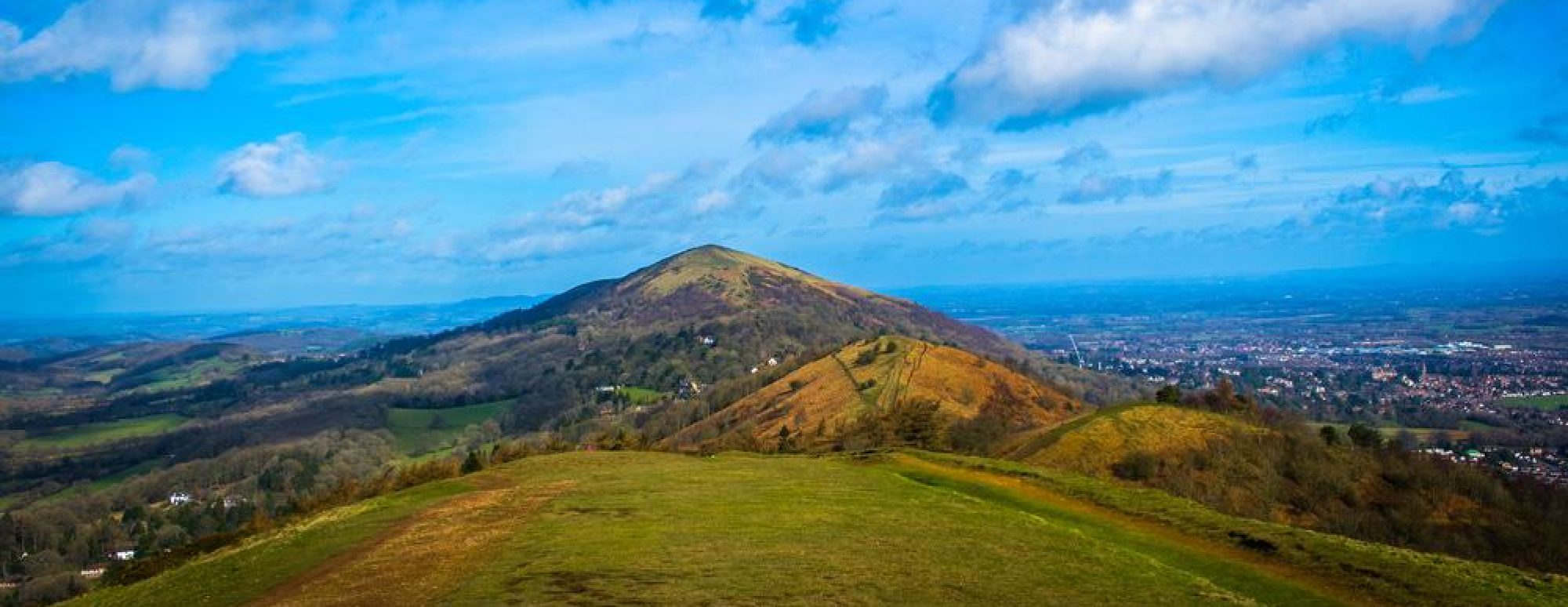
Sacred Steps on the Via Francigena Pilgrim Route

I am off walking part of the St Francigena Pilgrim route this Saturday 9th starting in Italy, I hope the foot stays strong, after slipping whilst running on the hills, and suffering an ankle sprain to the right foot, 6 weeks ago. I have been working hard on Pilates exercises for strength, balance and flexibility and now feeling in a good place to start this exciting Camino. As well as the personal challenge, I will also be conducting research into the health and wellbeing of Pilgrims who walk this route as part of my MA Outdoor Education.

The Via Francigena is an ancient pilgrimage route that spans from Canterbury, England, to Rome, Italy. Similar to the more famous Camino de Santiago in Spain, the Via Francigena is a network of paths and roads that have been used for centuries by pilgrims traveling to Rome. Here is some brief information about the Via Francigena pilgrimage:

  1. Route: The route has evolved over the centuries and there are multiple variations, but the most common and well-marked path begins in Canterbury, England, and passes through France, Switzerland, and Italy, ending in Rome. The entire route covers a distance of approximately 1,200 miles (about 1,930 kilometers).
  2. Pilgrimage Experience: Like other long-distance pilgrimage routes, the Via Francigena offers a unique experience for those who undertake it. Pilgrims walk through picturesque countryside, historic towns, and villages. Along the way, they have the opportunity to meet fellow pilgrims, engage with local cultures, and visit significant religious and historical sites.
  3. Season: The best time to walk the Via Francigena depends on the specific section and your tolerance for different weather conditions. Spring (April to June) and early autumn (September to October) are generally considered the best times, as the weather is milder. Summers can be hot, and winters are often cold, especially in higher-altitude regions.
  4. Purpose: Pilgrims walk the Via Francigena for various reasons, including religious devotion, spiritual reflection, physical challenge, and cultural exploration. Some people also undertake it for historical or personal reasons.
  5. The Via Francigena offers a deeply enriching and transformative experience for those who undertake it, allowing pilgrims to connect with their faith, history, and the landscapes of Europe. It continues to be a popular pilgrimage route, attracting people from all over the world.

The Nature Cure: Reconnecting for Healing

Nature and outdoor environments can play a significant role in aiding the healing process of injuries, both physical and emotional. After suffering an ankle sprain whilst hill trail running recently, I outline several ways in which spending time in nature has helped contribute to healing:

Stress Reduction: Nature is known to have a calming and soothing effect on the mind. Being surrounded by natural beauty, whether it’s a forest, a beach, or a park, can help reduce stress and promote relaxation. Lower stress levels can contribute to better overall healing and recovery.

Physical Activity: Engaging in gentle physical activities in nature, such as walking, can aid circulation, improve mobility, and encourage the body’s natural healing mechanisms. Controlled and appropriate physical activity can prevent muscle atrophy, reduce stiffness, and promote overall fitness. Pilates exercises. Ankle sprains can affect balance and proprioception (awareness of body position in space). Pilates exercises often incorporate balance challenges and controlled movements, which can help retrain the proprioceptive feedback system and restore better balance to the injured ankle.

Fresh Air and Oxygen: Spending time outdoors exposes you to fresh air, which is often cleaner and more oxygen-rich than indoor air. This increased oxygen intake can help with tissue healing and cell regeneration.

Mind-Body Connection: Nature has a positive impact on mental well-being. When your mind feels better, it can positively influence your body’s ability to heal. Nature’s tranquility and beauty can promote a positive outlook, which in turn can support healing.

Distraction and Positive Engagement: Being in nature provides a change of scenery and an opportunity to engage in activities that you enjoy. This distraction can help take your mind off pain or discomfort and provide a positive focus.

Boosting Immune System: Some studies suggest that spending time in natural environments can enhance the immune system’s function. A stronger immune system can support the body’s healing process.

Enhanced Mood and Emotional Healing: Nature has been linked to improved mood, reduced anxiety, and even alleviation of symptoms of depression. Emotional well-being is closely linked to physical healing, as a positive mental state can contribute to a faster recovery.

Mindfulness and Relaxation: Nature provides an ideal setting for practicing mindfulness and relaxation techniques. These practices can lower stress levels, reduce pain perception, and promote a sense of calm that aids in healing.

Rest and Restoration: Nature offers a peaceful and serene environment that can promote restorative sleep, which is crucial for the body’s healing processes.

12 Ways to connect Mindfully to Nature

Connecting mindfully with nature can have numerous benefits for your mental, emotional, and physical well-being. Here are some ways you can achieve a mindful connection with nature:

  1. Nature Walks: Take a leisurely walk in a park, forest, or any natural setting, being aware of the sights, sounds, smells, and sensations around you. Engage all your senses to fully immerse yourself in the experience.
  2. Forest Bathing (Shinrin-yoku): This Japanese practice involves immersing yourself in the forest atmosphere. Walk slowly, breathe deeply, and focus on the natural elements around you. Use all your senses to experience the calming and revitalizing effects of the forest.
  3. Mindful Observation: Find a comfortable spot outdoors and focus your attention on a single natural object, like a flower, a tree, or a flowing stream. Observe its details, colours, textures, and movements. Allow your mind to be fully present in this observation.
  4. Breathing: Practice breathing in a natural setting. Find a quiet spot near a tree and sit comfortably, and focus on your breath. Let go of intrusive thoughts and simply be present in the moment.
  5. Nature Journaling: Carry a journal with you and write down your observations, thoughts, and feelings as you spend time in nature. Sketching, jotting down ideas, or simply describing your surroundings can help you connect more deeply.
  6. Photography: Capture the beauty of nature through photography. Instead of rushing to take as many photos as possible, take your time to frame shots thoughtfully and appreciate the details you’re capturing.
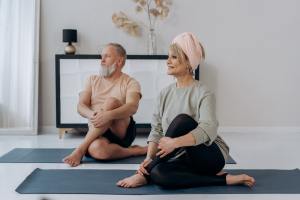
  7. Yoga or Pilates: Practice yoga or Pilates outdoors, focus on each movement and the sensation of your body as you flow through the poses. The combination of movement and natural surroundings can be very grounding.
  8. Breathing Exercises: Sit or lie down in a peaceful spot. Take slow, deep breaths while focusing your attention on the rhythm of your breath. Imagine you’re inhaling the calmness of nature and exhaling any tension.
  9. Disconnect:  Take a break from electronic devices and immerse yourself fully in nature.
  10. Birds: Learn about different types of birds in your areas, note their colours, special features and sounds.
  1. Nature Sounds: Find a comfortable spot to sit and listen to the natural sounds around you, the rustling of leaves, chirping of birds, or the flow of water. Let these sounds anchor you in the present moment.
  2. Moon & Stargazing: Observe the stars and the moon, the different shades of the moon. Lie down and gaze at the night sky, contemplating the vastness of the universe.

The Role of Ballet, Balance & Foot Pilates Exercises

Ballet foot balance exercises are of great importance for ballet dancers as they play a crucial role in developing the strength, stability, and control required for executing various dance movements with precision and grace. Pilates exercises specifically target the muscles in the feet, ankles, and lower legs, helping dancers achieve a solid foundation and improve their overall technique. Listed below are some key reasons why ballet foot balance exercises are essential:

  1. Stability and Control: Ballet dancers need exceptional balance and control to perform intricate movements, turns, and jumps. Foot balance exercises help in strengthening the small stabilizing muscles in the feet and ankles, allowing dancers to maintain their balance and execute movements with poise.
  2. Injury Prevention: Strong and flexible feet are less susceptible to injuries such as ankle sprains or strains. Calais-Germain & Lamotte (1992) states that the ligament on the medial side of the ankle is larger and stronger than the three ligaments on the lateral side, thus the lateral side is more susceptible to strains and strains, avoiding excessive lateral movements should be avoided. Regular foot balance exercises can improve the dancer’s range of motion, reducing the risk of injuries during rehearsals and performances.
  3. Proper Alignment: Ballet requires a strong alignment of the entire body, starting from the feet up. Foot balance exercises promote correct foot alignment, which then influences the alignment of the entire body, leading to better posture and reduced strain on other joints.
  4. En Point: Foot Pilates balance exercises are essential for safely preparing the feet for pointe work, reducing the risk of foot-related injuries associated with dancing en pointe.
  5. Artistic Expression: Good foot control and articulation allow dancers to convey more emotion and expression through their movements. The feet play a significant role in expressing choreography, and foot balance exercises enhance the dancer’s ability to do so.
  6. Core Engagement: Many foot balance exercises require engagement of the core muscles as well. This integration of core strength with foot stability improves overall body coordination and control, leading to a better executed performance.
  7. Progression and Skill Development: Ballet is a discipline that demands continual improvement and mastery of skills. Regularly practicing foot balance exercises contributes to a dancer’s ongoing progression, allowing them to refine their technique and expand their repertoire of movements.  Grieg (1994) states the muscles that produce the movements of the foot all arise in the leg below the knee, with the exception of the big calf muscles which arise above the knee and acts on both the knee and the foot. In a well functioning foot, the weight should be placed on 3 points, the heel, big toes and small toes.
  8. Post-Injury Rehabilitation: In case of foot or ankle injuries, foot balance exercises may form a crucial part of the rehabilitation process, aiding in the recovery and restoring the dancer’s strength and stability.  The practice of regular Pilates exercises which focus on strength, stability and balance will complement the dancer’s recovery programme.

In conclusion, foot balance exercises are a fundamental aspect of a ballet dancer’s training program. By developing strong, stable, and well-articulated feet, dancers can improve their technique, reduce the risk of injuries, and enhance their ability to express themselves artistically through their movements.

References

Calais-Germain, B. & Lamotte, A. (1992) Anatomy of Movement Exercises. Eastland Press, Seattle. P.202.

Grieg, V (1994) Inside ballet Technique, separating anatomical fact from fiction in the ballet class. Princeton Book Company, New Jersey. P.101.

Blue Space Wellbeing

What is Blue Space

In academic literature, blue space is defined as outdoor surface water.  There is growing international literature exploring how water can assist in restoring and promoting health. Many researchers have been fascinated into the psychological effects of water, whether it be a waterfall, the sea, river or lake and there have been many studies and benefits into how being near water lifts one’s mood, feel less stressed, connected to nature and generally improves our wellbeing.

Blue space refers to natural aquatic environments, such as oceans, lakes, rivers, waterfalls, and even swimming pools. Blue space has the presence of water in an outdoor setting which has many benefits for our well-being, for example there are many opportunities for various physical activities and exercise to take place, such as swimming, wild swimming, surfing, kayaking, paddleboarding, or simply walking along the shore. Engaging in water-based activities provides cardiovascular exercise, strengthens muscles, and improves overall fitness.

Participating in a new leisure activity for different groups and populations in a blue environment can also offer many benefits. Britton, et al (2018, pp.60-61) Data conducted on participants with a range of medical conditions who took part in a variety of water recreation activities such as learning new skills as well as include therapeutic interventions such as ‘hydrotherapy’, using the ocean environment, their studies revealed an overall improvement in their mental, psycho and social wellbeing results.  The common wellbeing indicators included self-esteem, self-efficacy, confidence, resilience and other psychological benefits.

Attraction of Water

The attraction of water is not new with the many traditions, cultures and countries who have been using water as a natural healing place for many years.  I have visited on two occasions, one a recent trip to Budapest, where I had the opportunity to visit their historical local ‘spa’s, it was fascinating to see a medical centre attached to the spa offering a range of treatments for orthopaedic and health conditions as well as offering holistic therapies and second whilst on a study trip to Vierumaki, Finland to investigate how ‘cold water treatments’ help with a range of orthopaedic conditions.  These facilities are used by many, especially the elderly seeking alternative treatment.

Benefits of Blue Space on Mental Health

Blue exercise has shown to have positive effects on mental health. Generally, being in nature can reduce stress, anxiety, and depression, while increasing feelings of happiness, well-being, and self-esteem. The combination of exercise and exposure to nature’s beauty enhances mood and promotes relaxation. Likewise, spending time near water has been associated with reduced symptoms of anxiety, depression, and improved mood. The combination of the visual appeal and soothing sounds of water creates a serene environment that can boost mental well-being. According to Kelly, (2021) blue spaces help to regulate the activity of anxiety and panic within our brains and that it has been proved that being next to or in blue spaces there is a reduction in stress and improvement in physical fitness and self-esteem.

Certain leisure activities such as surfing have shown to have other therapeutic benefits, Wheaton, et al (2020) data shows by getting into the ‘zone’ or experiencing ‘flow’ a temporary state of focus and joy where the person is immersed in the present moment, this surf space can offer a different spatial experience such as a temporary escape, dislocating people from everyday life.

This temporary escapism from mundane routine of life appears to help promote health and wellbeing.

Using our Senses.

Being engaged in a water environment can also trigger sensory stimulation, these water-based environments engage multiple senses, for example the sound of water, the sight of shimmering waves, contrasts of colour, the touch of cool water, and even the smell of the sea or the fresh air near a river can provide sensory stimulation that is both invigorating and refreshing.

References

Britton, E. Kindermann, G. Domegan, C. and Carlin, C. (2018) Blue care: a systematic review of blue space, interventions for health and wellbeing. pp 60-61.

Kelly, C. (2021) Blue Spaces, How and why water can make you feel better. London. pp. 28-29.

Wheaton, B. Waiti, J. Cosgriff, M. & Burrows, L. (2020) Coastal blue space and wellbeing research: looking beyond western tides. Leisure studies. Vol. 39 (1) 83-95. p.86.

8 Benefits of being Outdoors

The Outdoors offers numerous benefits for both our physical and mental well-being. Listed below are some of the key benefits of spending time outdoors:

  1. Improved Physical Health: Outdoor activities encourage physical movement and exercise, which is essential for maintaining good health, being outdoors provides opportunities for physical activity that can improve cardiovascular health, strengthen muscles, boost endurance, and help manage weight.
  2. Vitamin D Production: Spending time outdoors exposes you to sunlight, allowing your body to produce vitamin D. Vitamin D is essential for calcium absorption, bone health, immune function, and overall well-being.
  3. Mental Well-being: Being in natural surroundings has a positive impact on mental health. Studies have shown that spending time outdoors can reduce stress, anxiety, and depression. The sights, sounds, and smells of nature can promote relaxation, enhance mood, and provide a sense of calmness and tranquillity.
  4. Cognitive Benefits: Being outdoors has been linked to improved cognitive function, attention, and creativity. Natural environments can enhance problem-solving skills, increase focus, and provide mental clarity. They also offer a break from constant screen time and digital distractions.
  5. Connection with Nature: Spending time outdoors allows us to connect with the natural world. It fosters a sense of appreciation and awe for the beauty of nature, leading to feelings of interconnectedness and mindfulness. This connection with nature has been associated with increased happiness and life satisfaction.
  6. Better Sleep: Exposure to natural light and physical activity during the day can help regulate your body’s internal clock, promoting better sleep quality at night. A good night’s sleep is crucial for overall health and well-being.
  7. Social Interaction: Outdoor activities often provide opportunities for socializing, simply enjoying nature with others, being outdoors facilitates social connections and a sense of community.
  8. Environmental Awareness: Spending time in nature can increase awareness and concern for the environment. It promotes a deeper understanding of the natural world, encourages sustainable behaviours, and fosters a desire to protect and preserve our ecosystems. For more information on outdoor health and wellbeing workshops and 1:1 sessions contact fitnessexcel@gmail.com

Pilates at Home, Effective Workouts

Pilates is a fantastic exercise method that can be easily practiced at home. It focuses on core strength, flexibility, and overall body conditioning. Here are some tips on how to exercise at home using Pilates:

  1. Set up a dedicated space: Find a quiet area in your home where you can spread out a mat or a soft surface to exercise. Ensure that you have enough space to move comfortably.
  2. Warm up: Before starting your Pilates routine, warm up your body with some gentle movements to prepare your muscles for the workout.
  3. Start with the basics: If you’re new to Pilates, it’s essential to begin with foundational exercises. Start with exercises that target your core, such as the Pilates Hundred (abdominal exercise), Pilates Roll-Up (spinal articulation), and Pilates Single Leg Stretch (abdominal strength and coordination).
  4. Follow instructions from a qualified teacher can guide you through various Pilates exercises, ensuring proper form and technique. Look for reputable instructors or platforms that suit your needs and skill level.
  5. Progress gradually: As you become more comfortable with the basic exercises, gradually increase the intensity and challenge of your Pilates routine. Add variations, increase the number of repetitions, or introduce props like resistance bands or Pilates balls to make your workouts more dynamic.
  6. Focus on proper form and alignment: Pilates emphasizes precise and controlled movements. Pay attention to your form, alignment, and breathing throughout each exercise. Engage your core muscles, lengthen your spine, and maintain a neutral posture.
  7. Mix it up: Keep your Pilates routine interesting and diverse by incorporating different exercises that target various muscle groups. Include exercises for the arms, legs, back, and glutes to achieve a balanced full-body workout.
  8. Listen to your body: As with any exercise program, it’s crucial to listen to your body and avoid overexertion or pushing yourself too hard. Take breaks when needed and modify exercises if you have any physical limitations or injuries.
  9. Cool down and stretch: After completing your Pilates session, cool down your body with gentle stretches. Focus on lengthening and stretching the muscles you worked during the workout.

Remember to consult with a healthcare professional or certified Pilates instructor if you have any pre-existing health conditions or concerns. They can provide personalized guidance and modifications based on your needs.

8 Quick Strategies to Overcome Procrastination when it comes to Exercising:

1. Break it down into smaller, more manageable tasks: Instead of thinking of exercise as one large and daunting task, break it down into smaller, more achievable steps. This could include setting aside time for stretching, going for a short walk, or doing a quick workout video.

2. Make a plan and schedule it: Set a specific time and date for exercise and stick to it. Schedule it into your daily routine so it becomes a habit.

3. Find an accountability partner: Enlist the help of a friend or family member to hold you accountable for your exercise routine. This could include checking in with them regularly or even exercising together.

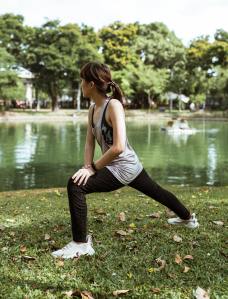
4. Create an enjoyable experience: Find ways to make exercise more enjoyable, such as combining your exercise in a different environment such as the outdoors, whilst appreciating nature.

5. Reward yourself: Create a reward system for when you complete your exercise routine. This could be anything from treating yourself to a favourite snack or activity to buying a new workout outfit.

6. Use positive self-talk: Use positive self-talk to motivate yourself and overcome negative thought patterns. Focus on the benefits of exercise and remind yourself that it’s a form of self-care that will improve your overall health and well-being.

7. Start small and build up: If you’re just starting out, don’t feel like you have to jump into intense workouts right away. Start small with a few minutes of exercise each day and gradually build up over time.

8. Remember, it’s normal to struggle with procrastination when it comes to exercise, but with some dedication and the right strategies, you can overcome it and make exercise a regular part of your routine.

6 Reasons to Attend a Wellbeing Retreat

Health & wellbeing in an outdoor environment, connecting both body-mind.

The definition of a retreat is that you travel for a purpose of promoting health and wellbeing through physical, psychological and/or spiritual places where you are able to get away from the stress of daily life to unwind, recharge and relax, this is usually a location by the sea, park, forest surrounded by nature and nice landscapes and can range between 1 day to 1 week or more.  The idea is to improve your health and wellbeing through connection, exercise, take stock and pause, whilst facilitating peace and calm.

Wellbeing retreats have developed over decades, the aim is to help people live a more harmonious life, a typical day of an exercise retreat may involve a group of people taking a walk, incorporating some Pilates, Yoga and breathing, engaging in meaningful conversation and eating healthy.

You don’t have to travel to exotic destinations and undertake 2 weeks, just 1 day in a local environment will allow disconnection from routine, technology and the on-line world, it allows a shift of your perspective and can boost your energy and revitalise you, an exercise retreat is aimed both at addressing both body and mind, the physical and psychological.  You take away the stress of normal life allowing a more mindful, balanced and connected life.

6 Reasons to undertake a Wellbeing Day

  1. Reconnect, bring zest back into your life.
  2. Get outdoors into the fresh air.
  3. Connect with nature, become curious and explore new landscapes and geography.
  4. Switch off from life’s busyness.
  5. Get expert advice from the leaders on the wellbeing day.
  6. Take away and implement strategies learnt and incorporate them into your everyday living.

Key Benefits of Forest Bathing

Forests are an incredible resource. They produce oxygen, purify our water and cleanse the air we breathe; the forest is a truly remarkable resource. In Japan two thirds of the country is forest, it is one of the greenest in the world with a rich diversity of tress and is sometimes referred to as the green archipelago.

Forest bathing known as (Shinrin-Yoku) was first created in Japan, 1982 and refers to the healing techniques which restore both the physical and psychological health of the human body, and when especially exposed to a forest environment which activates the senses smell, vision, touch, taste and hearing. 

Our modern lifestyle is busier than ever with increasing levels of stress which can lead to low mood and poor sleep.  Good quality sleep is essential for our health, well-being and for the functioning of our immune system and forest bathing may be a solution.  Li, (2018) research on participants sleep patterns after spending up to 2 hours walking in a forest environment shows an increase in sleep activity, in addition participants were significantly less anxious.

Further, Wen, et al (2019) studies on Asian adult populations and the health effects, used the forest for physical activity to include interventions such as walking, Pilates, yoga and sight-seeing. The data reveals a significant reduction in blood pressure.  The present research on emotional states such as depression, fatigue and tension anxiety also showed a decrease in negative emotions and an increase in positive emotions when walking in a forest environment.

It is recommended to incorporate more green exercise into our daily lives, even short bouts of outdoor exercise can have a big impact on our mood, feel less tired and tend to have a longer-lasting energy boost.  A brisk walk outdoors is easier than going to the gym or working out on a treadmill, it is both rewarding and more enjoyable.

References

Li, Q. (2018) Shinrin-Yohu; The art and science of forest-bathing, how trees can help you find health and happiness.

Wen, Y. Yan, D, Pan, Y, Gu, X & Liu, Y (2019) Medical empirical research on forest bathing (Shinrin-Yoku): A systematic Review