
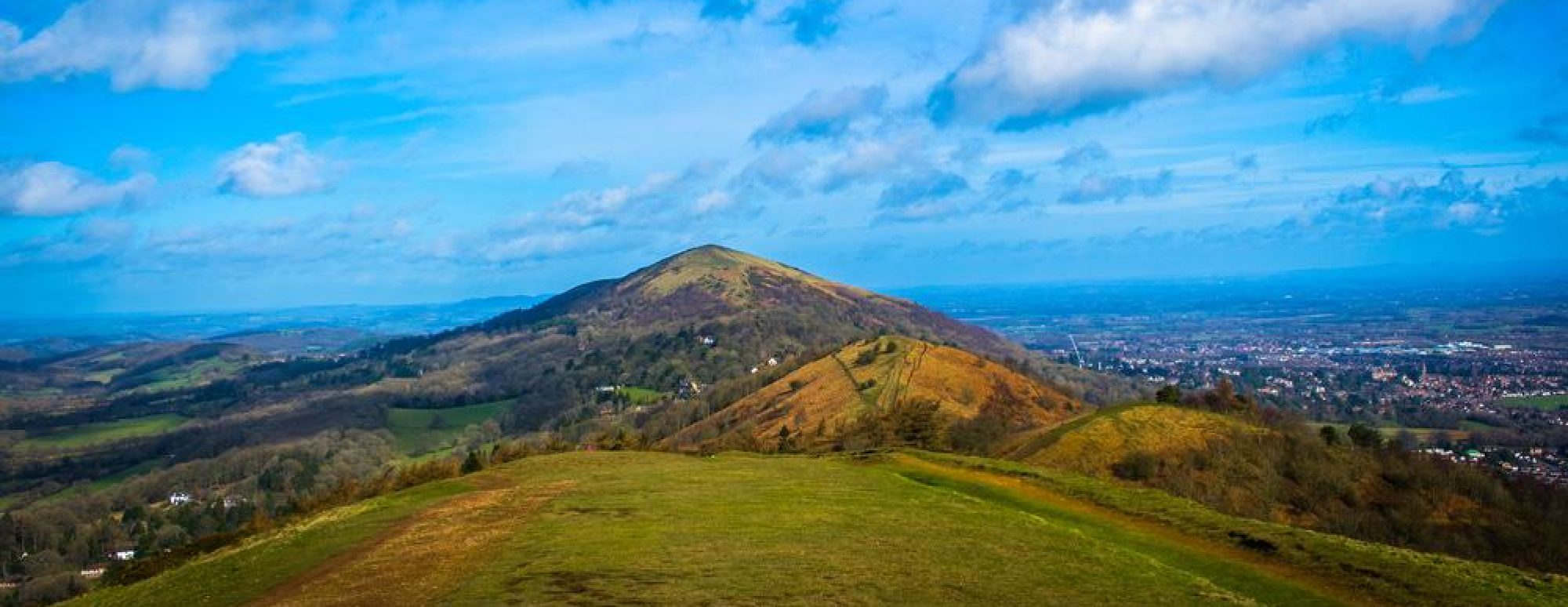
Nature and outdoor environments can play a significant role in aiding the healing process of injuries, both physical and emotional. After suffering an ankle sprain whilst hill trail running recently, I outline several ways in which spending time in nature has helped contribute to healing:
Stress Reduction: Nature is known to have a calming and soothing effect on the mind. Being surrounded by natural beauty, whether it’s a forest, a beach, or a park, can help reduce stress and promote relaxation. Lower stress levels can contribute to better overall healing and recovery.
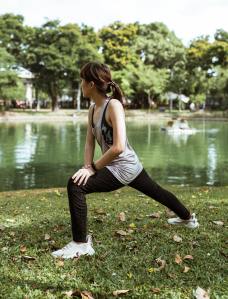
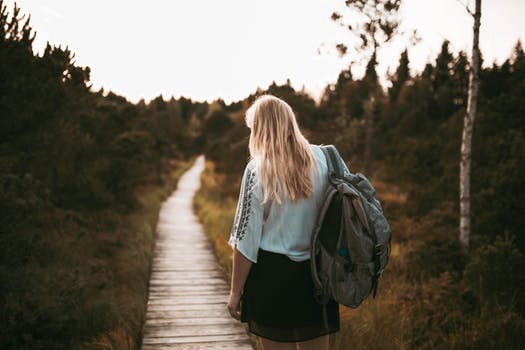
Physical Activity: Engaging in gentle physical activities in nature, such as walking, can aid circulation, improve mobility, and encourage the body’s natural healing mechanisms. Controlled and appropriate physical activity can prevent muscle atrophy, reduce stiffness, and promote overall fitness. Pilates exercises. Ankle sprains can affect balance and proprioception (awareness of body position in space). Pilates exercises often incorporate balance challenges and controlled movements, which can help retrain the proprioceptive feedback system and restore better balance to the injured ankle.
Fresh Air and Oxygen: Spending time outdoors exposes you to fresh air, which is often cleaner and more oxygen-rich than indoor air. This increased oxygen intake can help with tissue healing and cell regeneration.
Mind-Body Connection: Nature has a positive impact on mental well-being. When your mind feels better, it can positively influence your body’s ability to heal. Nature’s tranquility and beauty can promote a positive outlook, which in turn can support healing.
Distraction and Positive Engagement: Being in nature provides a change of scenery and an opportunity to engage in activities that you enjoy. This distraction can help take your mind off pain or discomfort and provide a positive focus.
Boosting Immune System: Some studies suggest that spending time in natural environments can enhance the immune system’s function. A stronger immune system can support the body’s healing process.
Enhanced Mood and Emotional Healing: Nature has been linked to improved mood, reduced anxiety, and even alleviation of symptoms of depression. Emotional well-being is closely linked to physical healing, as a positive mental state can contribute to a faster recovery.
Mindfulness and Relaxation: Nature provides an ideal setting for practicing mindfulness and relaxation techniques. These practices can lower stress levels, reduce pain perception, and promote a sense of calm that aids in healing.
Rest and Restoration: Nature offers a peaceful and serene environment that can promote restorative sleep, which is crucial for the body’s healing processes.
 fitness-excel.com