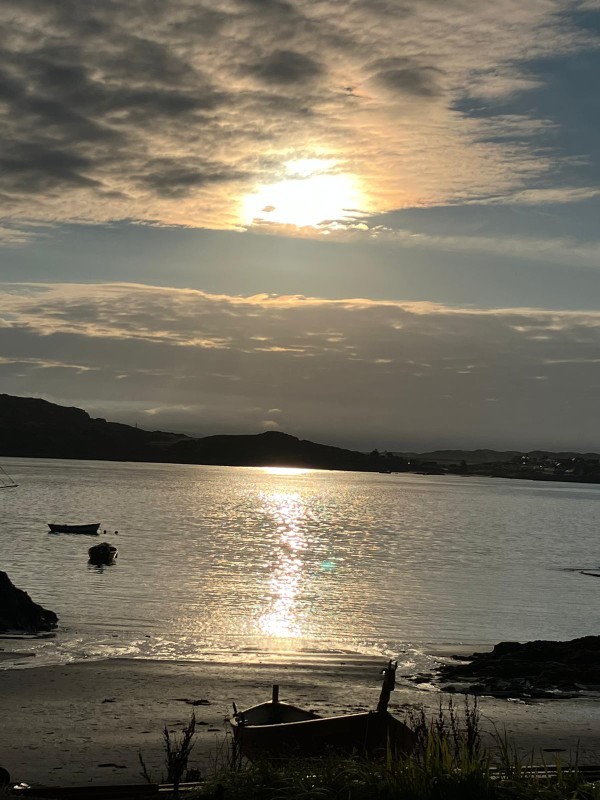
Autumn is an ideal time to take a short break to restore, pause and reflect. This wellbeing break from 22-27 October 2025 in Iona’s blue and green spaces offer the chance to step away from the rush of daily life and reconnect with peace, nature, and yourself. The island’s unspoiled landscapes, tranquil beaches, and gentle pace create space for rest, reflection, and renewal. Surrounded by sea, sky, and spiritual heritage, Iona provides a nurturing environment to restore balance, recharge energy, and gain a deeper sense of wellbeing. Contact within for more details.
Embarking on any pilgrimage is more than just a physical challenge, it’s a journey of the mind, body, and soul.
The Route and Preparation
This pilgrimage follows the footsteps of St Olaf where other travellers have also walked this path, it can start in Arne, Sweden and will finish at the Nidaros Cathedral, Trondheim in Norway. The trail winds through breathtaking diverse landscapes, such as dense forests, mountains, forest and lakes, offering moments of solitude and a chance to connect with nature.
Physical Training for the Journey
Training for a long-distance trek requires a structured fitness regimen, incorporating a mix of cardiovascular workouts, hill walking, strength training, and flexibility exercises. Long-distance walks with a weighted backpack to help simulate real conditions, ensuring your legs and core are well-prepared for the extended periods of walking. Strength training, particularly focusing on the lower body and core, enhances stability and reduces the risk of injury and resistance exercises such as squats, lunges, and step-ups to build leg strength with a focus on foot and ankle stability exercises.
Pilates for Strength and Conditioning
Pilates promotes better posture and alignment, which is vital for maintaining endurance over long distances. Integrating Pilates into training improves overall body awareness and reduces fatigue during extended walks, where the stretching improves flexibility, which is essential for preventing muscle stiffness on long consecutive trekking days. Additionally, interval training and uphill hiking will boost my endurance levels, making the steep ascents more manageable.
Embracing the Challenge
It can be often said that pilgrimage is not just about reaching the destination but embracing every step and learning lessons along the way, whether this is pushing through the comfort zone and feeling a sense of achievement at the end or just enjoying the peaceful silence of the trail, but connecting to culture and local communities and meeting other walkers is one of the highlights of these walks, which makes the journey rewarding.
Seeking Support and Sharing Knowledge
For anyone considering a pilgrimage and looking for advice on sports fitness and exercise preparation, feel free to get in touch for a personalised tailored programme. Proper training can make all the difference in ensuring a fulfilling, enjoyable and injury-free journey.
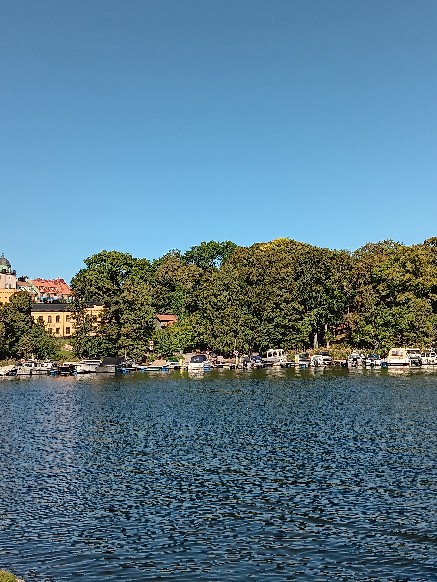
On a recent trip to Stockholm, Sweden this September, I was hiking among the islands in the Stockholm Archipelago, moving from one rocky shoreline to the next, surrounded by the beauty of the open sea and quiet forests, I noticed how seamlessly people integrate the natural landscape into their exercise routines, making the outdoors a true extension of their gym.
Along the forested trails, I often saw joggers weaving through the trees, while cyclists sped along gravel paths that wind through sprawling fields and serene lakesides. People embrace nature not just as a setting, but as a central part of their wellbeing routines. It was clear that the Swedish landscape wasn’t just for sightseeing – it was an active part of a healthy lifestyle, open to everyone.
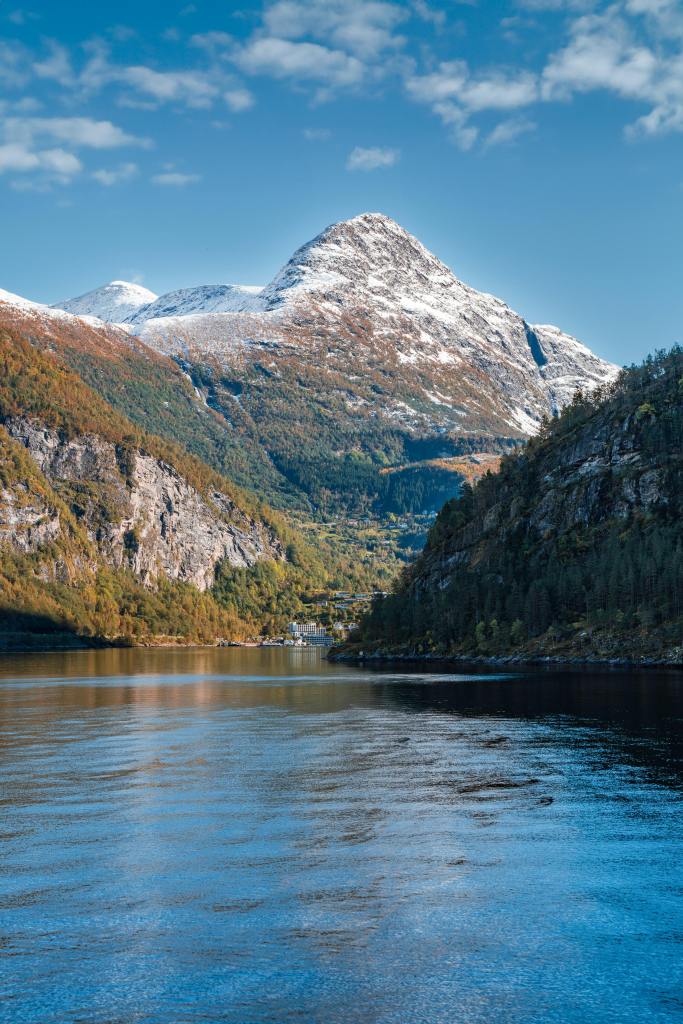
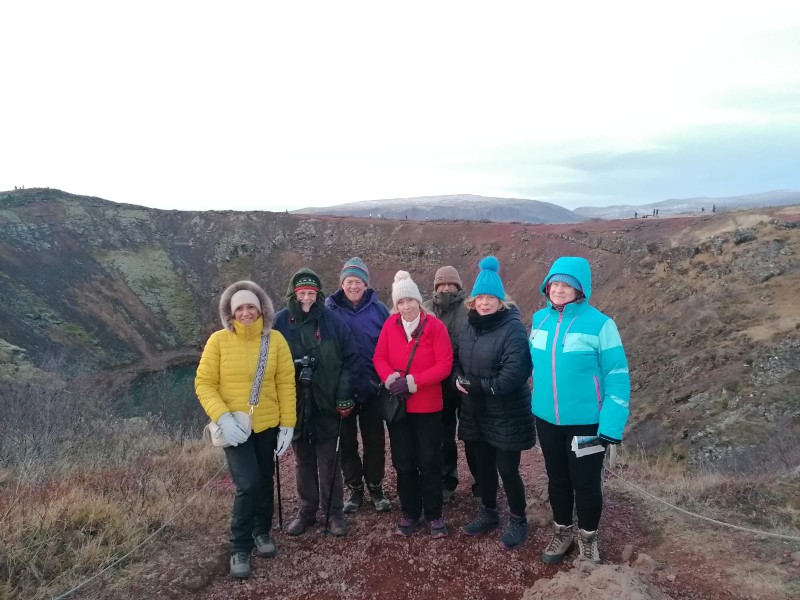
Iceland, a therapeutic landscape, this vast environment promotes well-being, relaxation, and healing through its natural features and cultural elements. Some examples below highlight Iceland’s natural landscapes, such as volcanic terrain, glaciers, hot springs, and fjords which create an atmosphere of peace, healing, and restoration.
Geothermal Hot Springs
Places like the Blue Lagoon, Reykjadalur Hot Springs, and Mývatn Nature Baths, have therapeutic benefits of soaking in geothermal waters, which are rich in minerals like silica and sulfur, known to relieve stress, improve skin conditions, and soothe muscle pain.
Volcanic Landscapes
Iceland’s symbolic and physical aspects of its volcanic terrain.
The power of volcanoes, such as those in the Þingvellir National Park or near Eyjafjallajökull, can evoke feelings of awe and wonder, which some find grounding.
Glaciers and Ice Caves
Places like Vatnajökull Glacier, the largest glacier in Europe, or the stunning ice caves within them offer the tranquility and sense of stillness one experiences when surrounded by glaciers.
Waterfalls and Fjords
Iceland’s iconic waterfalls like Gullfoss, Skógafoss, and Seljalandsfoss and their thundering sounds and sight of cascading water can have a meditative effect, helping to clear the mind and induce relaxation. The fjords of Iceland offer similarly serene views, often associated with introspection and emotional healing.
e. Northern Lights (Aurora Borealis)
The Northern Lights are considered a magical phenomenon. If you get chance to witness this spectacle it can be a deeply spiritual experience, often inspiring reflection, creativity, and a sense of connection with nature.
Wide Open Spaces and Silence
Iceland’s sparsely populated regions, such as the Highlands, provide an opportunity for solitude and reflection. Silence and space can be therapeutic, offering people a rare chance to disconnect from daily distractions and reconnect with themselves.
As autumn approaches, there is a desire to try a new experience and break free from your routine. Research shows global market trends where more and more people are seeking new experiences each year with many different opportunties to reconnect and rediscover your inner wanderer. How can we develop our adventurous side? Sometimes it takes courage to step outside your comfort zone. It is not always straightforward to travel and book 2-3 weeks off, so why not try to incorporate small adventures into your every day life, this could be walking or driving a new route, visit a new place to eat or meet up with friends, attend a talk, read a different book, learn a new skill or activity like a walking group or join a shorter weekend break. Sarah is organising a short adventure trip to the Isle of Iona, Scotland from 18-20th October 2025, with inspiring talks, invigorating Pilates and scenic walks, this short break offers an idyllic location for a quick escape. Part of the journey is the adventure of getting to the destination and there are ample opportunities to explore neighbouring islands such as Mull.
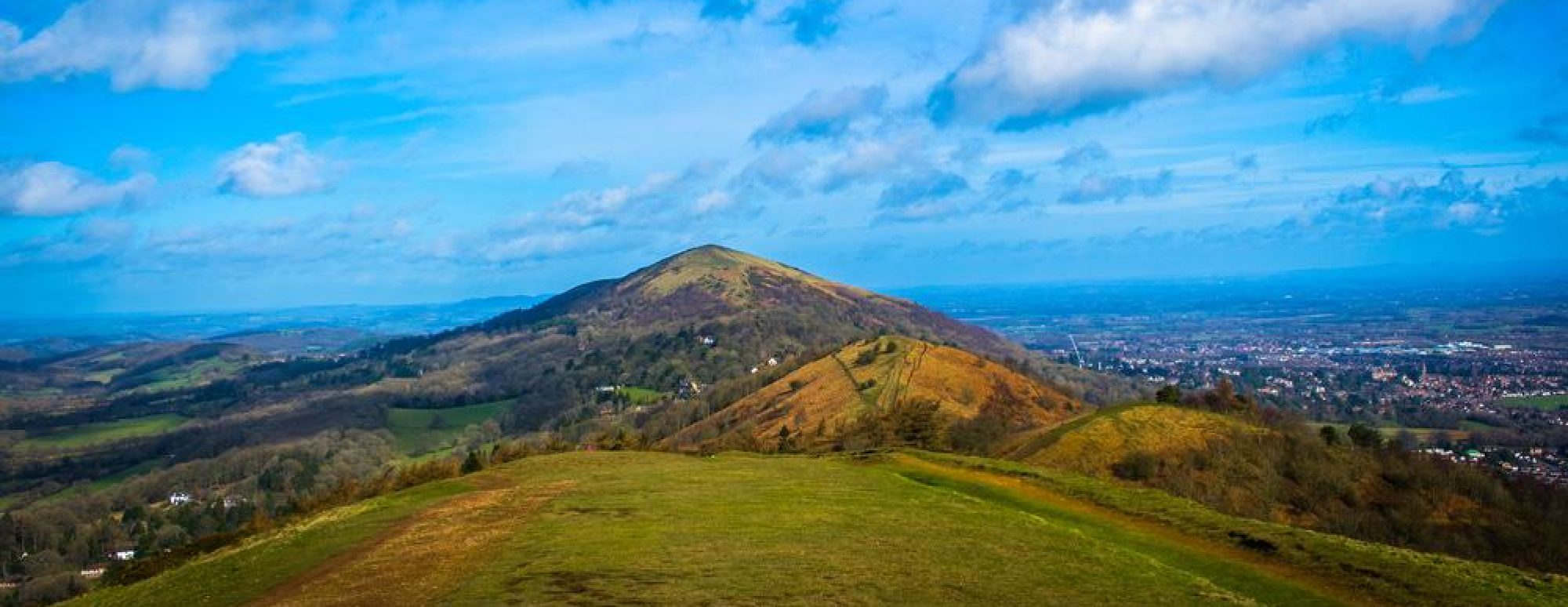
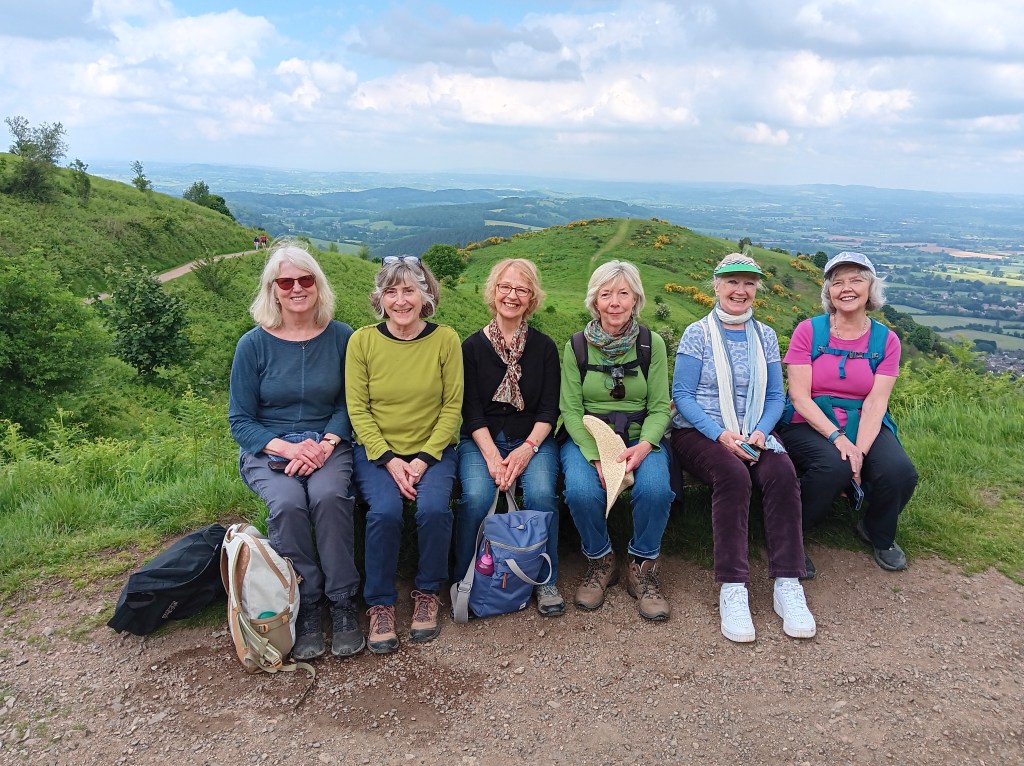
Walking with clients is more than just exercise; it’s a shared journey towards better health, deeper connections, and enhanced well-being. The fitness day was carefully designed which offered a blend of physical activity, mental relaxation, Pilates and social interaction. Our scenic picturesque path started with a steady 6 mile walk on the Malvern Hills, our mindful walk led to discussions on the landscape and local flora. Walking side by side fosters relaxation and engaging conversations.
The small group enables a shared experience which promotes a sense of community and mutual encouragement, whilst shared goals fosters camaraderie and a sense of accomplishment.
After the walk the group participated into a rejuvenating Pilates session of exercises designed to enhance their strength, flexibility, and overall well-being, with an emphasis on mind-body connection, ensuring participants finished the day feeling balanced and energized. This carefully curated day combines the physical benefits of walking and Pilates with the mental benefits of mindfulness and social interaction, ensuring a comprehensive wellness experience for all participants.
IOERC –10th International Outdoor Education Research Conference – Japan – 4-8th March
I had the opportunity to participate and present my Master’s research work on People’s experiences and motivations of Pilgrimage at the IOERC conference. This presigious conference hosted lecturers from across the world sharing their expertise and knowledge in their respected fields of outdoor education.
Prior to the conference there was time to visit some historical sites, taking the Shinkansen (bullet Train) to the culturally rich city of Kyoto to visit Fushimi Inari-Taisha, Gion and Kinkaku-Ji with its sublime gardens and more than 1000 Buddhist temples and over 400 Shinto shrines. Visiting historic places enables interaction with people from diverse backgrounds gaining insight into learning about history, art and architecture in the region.
The Via Francigena, also known as the Camino to Rome, is an ancient walking trail that takes pilgrims on an epic journey, The route can be split into sections. Part of my route starts in the hilltop town of San Miniato, famous for its artistic, cultural, and historical sights, and finishes in the UNESCO World Heritage historic centre of Siena.
As you stroll through the unforgettable Tuscan countryside you gain an insight into the unique history of the region’s Via Francigena, flora and fauna, and each Tuscan town that you pass through. This section of the Via Francigena, is in the heart of Tuscany, as you walk across beautiful rolling hills and woodland, stopping in gorgeous villages where you will enjoy a well-deserved rest. There are many beautiful sights on this section to see, including the tiny walled hilltop town of Monteriggioni and two impressive UNESCO World Heritage Sites: the breathtaking town of San Gimignano with its medieval towers and magnificent Siena.
Undertaking any pilgrim route requires resilience, my first day of walking 17 miles in intense heat was a real test for physical endurance, but wearing the right gear is essential as well as having a good mind set. Mental resilience, Pilgrimage offers time for mindfulness and reflection which can help you keep focused on your journey. Emotional resilience is being able to adapt and change according to the weather or change in plan, connecting with other pilgrims, sharing experience, emotional support and camaraderie can help you stay strong. There are times when it can get challenging but finding the perserverance to push through when feeling tired or discouraged can help you continue on the path.
I am off walking part of the St Francigena Pilgrim route this Saturday 9th starting in Italy, I hope the foot stays strong, after slipping whilst running on the hills, and suffering an ankle sprain to the right foot, 6 weeks ago. I have been working hard on Pilates exercises for strength, balance and flexibility and now feeling in a good place to start this exciting Camino. As well as the personal challenge, I will also be conducting research into the health and wellbeing of Pilgrims who walk this route as part of my MA Outdoor Education.
The Via Francigena is an ancient pilgrimage route that spans from Canterbury, England, to Rome, Italy. Similar to the more famous Camino de Santiago in Spain, the Via Francigena is a network of paths and roads that have been used for centuries by pilgrims traveling to Rome. Here is some brief information about the Via Francigena pilgrimage:
Route: The route has evolved over the centuries and there are multiple variations, but the most common and well-marked path begins in Canterbury, England, and passes through France, Switzerland, and Italy, ending in Rome. The entire route covers a distance of approximately 1,200 miles (about 1,930 kilometers).
Pilgrimage Experience: Like other long-distance pilgrimage routes, the Via Francigena offers a unique experience for those who undertake it. Pilgrims walk through picturesque countryside, historic towns, and villages. Along the way, they have the opportunity to meet fellow pilgrims, engage with local cultures, and visit significant religious and historical sites.
Season: The best time to walk the Via Francigena depends on the specific section and your tolerance for different weather conditions. Spring (April to June) and early autumn (September to October) are generally considered the best times, as the weather is milder. Summers can be hot, and winters are often cold, especially in higher-altitude regions.
Purpose: Pilgrims walk the Via Francigena for various reasons, including religious devotion, spiritual reflection, physical challenge, and cultural exploration. Some people also undertake it for historical or personal reasons.
The Via Francigena offers a deeply enriching and transformative experience for those who undertake it, allowing pilgrims to connect with their faith, history, and the landscapes of Europe. It continues to be a popular pilgrimage route, attracting people from all over the world.
The Outdoors offers numerous benefits for both our physical and mental well-being. Listed below are some of the key benefits of spending time outdoors:
Improved Physical Health: Outdoor activities encourage physical movement and exercise, which is essential for maintaining good health, being outdoors provides opportunities for physical activity that can improve cardiovascular health, strengthen muscles, boost endurance, and help manage weight.
Vitamin D Production: Spending time outdoors exposes you to sunlight, allowing your body to produce vitamin D. Vitamin D is essential for calcium absorption, bone health, immune function, and overall well-being.
Mental Well-being: Being in natural surroundings has a positive impact on mental health. Studies have shown that spending time outdoors can reduce stress, anxiety, and depression. The sights, sounds, and smells of nature can promote relaxation, enhance mood, and provide a sense of calmness and tranquillity.
Cognitive Benefits: Being outdoors has been linked to improved cognitive function, attention, and creativity. Natural environments can enhance problem-solving skills, increase focus, and provide mental clarity. They also offer a break from constant screen time and digital distractions.
Connection with Nature: Spending time outdoors allows us to connect with the natural world. It fosters a sense of appreciation and awe for the beauty of nature, leading to feelings of interconnectedness and mindfulness. This connection with nature has been associated with increased happiness and life satisfaction.
Better Sleep: Exposure to natural light and physical activity during the day can help regulate your body’s internal clock, promoting better sleep quality at night. A good night’s sleep is crucial for overall health and well-being.
Social Interaction: Outdoor activities often provide opportunities for socializing, simply enjoying nature with others, being outdoors facilitates social connections and a sense of community.
Environmental Awareness: Spending time in nature can increase awareness and concern for the environment. It promotes a deeper understanding of the natural world, encourages sustainable behaviours, and fosters a desire to protect and preserve our ecosystems. For more information on outdoor health and wellbeing workshops and 1:1 sessions contact fitnessexcel@gmail.com



 fitness-excel.com