From Sweden to Norway – A Pilgrimage of Resilience, Endurance and Reflection.

Embarking on any pilgrimage is more than just a physical challenge, it’s a journey of the mind, body, and soul.

The Route and Preparation

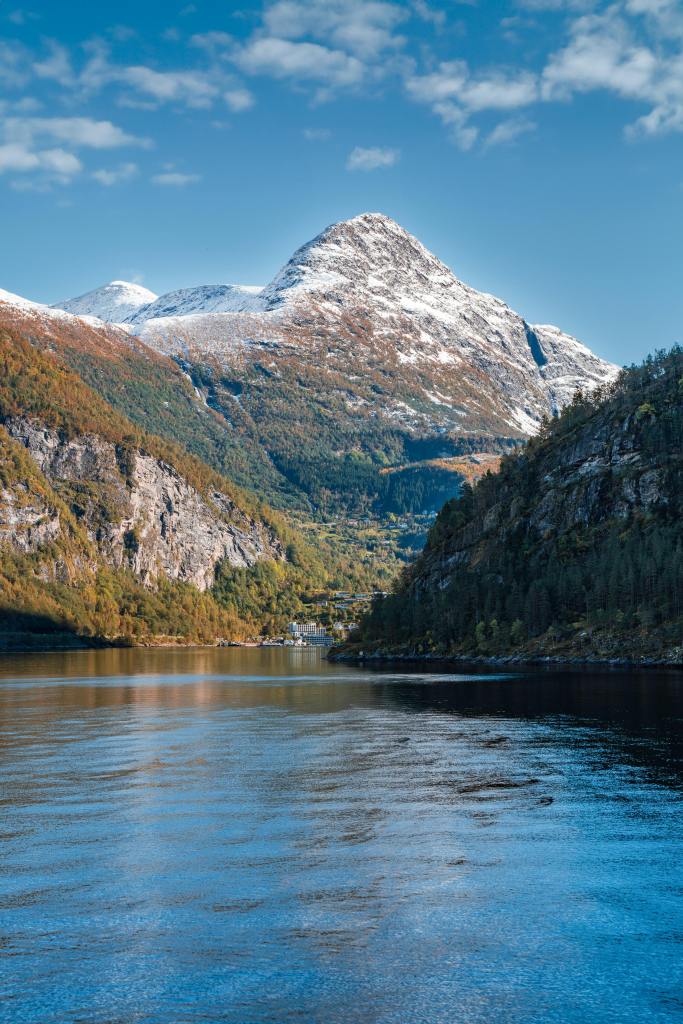
This pilgrimage follows the footsteps of St Olaf where other travellers have also walked this path, it can start in Arne, Sweden and will finish at the Nidaros Cathedral, Trondheim in Norway. The trail winds through breathtaking diverse landscapes, such as dense forests, mountains, forest and lakes, offering moments of solitude and a chance to connect with nature.

Physical Training for the Journey

Training for a long-distance trek requires a structured fitness regimen, incorporating a mix of cardiovascular workouts, hill walking, strength training, and flexibility exercises. Long-distance walks with a weighted backpack to help simulate real conditions, ensuring your legs and core are well-prepared for the extended periods of walking. Strength training, particularly focusing on the lower body and core, enhances stability and reduces the risk of injury and resistance exercises such as squats, lunges, and step-ups to build leg strength with a focus on foot and ankle stability exercises.

Pilates for Strength and Conditioning

Pilates promotes better posture and alignment, which is vital for maintaining endurance over long distances. Integrating Pilates into training improves overall body awareness and reduces fatigue during extended walks, where the stretching improves flexibility, which is essential for preventing muscle stiffness on long consecutive trekking days. Additionally, interval training and uphill hiking will boost my endurance levels, making the steep ascents more manageable.

Embracing the Challenge

It can be often said that pilgrimage is not just about reaching the destination but embracing every step and learning lessons along the way, whether this is pushing through the comfort zone and feeling a sense of achievement at the end or just enjoying the peaceful silence of the trail, but connecting to culture and local communities and meeting other walkers is one of the highlights of these walks, which makes the journey rewarding.

Seeking Support and Sharing Knowledge

For anyone considering a pilgrimage and looking for advice on sports fitness and exercise preparation, feel free to get in touch for a personalised tailored programme. Proper training can make all the difference in ensuring a fulfilling, enjoyable and injury-free journey.

Trekking Towards Rome: Reflections on the Via Francigena Pilgrimage

The Via Francigena, also known as the Camino to Rome, is an ancient walking trail that takes pilgrims on an epic journey, The route can be split into sections. Part of my route starts in the hilltop town of San Miniato, famous for its artistic, cultural, and historical sights, and finishes in the UNESCO World Heritage historic centre of Siena.

As you stroll through the unforgettable Tuscan countryside you gain an insight into the unique history of the region’s Via Francigena, flora and fauna, and each Tuscan town that you pass through. This section of the Via Francigena, is in the heart of Tuscany, as you walk across beautiful rolling hills and woodland, stopping in gorgeous villages where you will enjoy a well-deserved rest. There are many beautiful sights on this section to see, including the tiny walled hilltop town of Monteriggioni and two impressive UNESCO World Heritage Sites: the breathtaking town of San Gimignano with its medieval towers and magnificent Siena.

Undertaking any pilgrim route requires resilience, my first day of walking 17 miles in intense heat was a real test for physical endurance, but wearing the right gear is essential as well as having a good mind set. Mental resilience, Pilgrimage offers time for mindfulness and reflection which can help you keep focused on your journey. Emotional resilience is being able to adapt and change according to the weather or change in plan, connecting with other pilgrims, sharing experience, emotional support and camaraderie can help you stay strong. There are times when it can get challenging but finding the perserverance to push through when feeling tired or discouraged can help you continue on the path.

Sacred Steps on the Via Francigena Pilgrim Route

I am off walking part of the St Francigena Pilgrim route this Saturday 9th starting in Italy, I hope the foot stays strong, after slipping whilst running on the hills, and suffering an ankle sprain to the right foot, 6 weeks ago. I have been working hard on Pilates exercises for strength, balance and flexibility and now feeling in a good place to start this exciting Camino. As well as the personal challenge, I will also be conducting research into the health and wellbeing of Pilgrims who walk this route as part of my MA Outdoor Education.

The Via Francigena is an ancient pilgrimage route that spans from Canterbury, England, to Rome, Italy. Similar to the more famous Camino de Santiago in Spain, the Via Francigena is a network of paths and roads that have been used for centuries by pilgrims traveling to Rome. Here is some brief information about the Via Francigena pilgrimage:

  1. Route: The route has evolved over the centuries and there are multiple variations, but the most common and well-marked path begins in Canterbury, England, and passes through France, Switzerland, and Italy, ending in Rome. The entire route covers a distance of approximately 1,200 miles (about 1,930 kilometers).
  2. Pilgrimage Experience: Like other long-distance pilgrimage routes, the Via Francigena offers a unique experience for those who undertake it. Pilgrims walk through picturesque countryside, historic towns, and villages. Along the way, they have the opportunity to meet fellow pilgrims, engage with local cultures, and visit significant religious and historical sites.
  3. Season: The best time to walk the Via Francigena depends on the specific section and your tolerance for different weather conditions. Spring (April to June) and early autumn (September to October) are generally considered the best times, as the weather is milder. Summers can be hot, and winters are often cold, especially in higher-altitude regions.
  4. Purpose: Pilgrims walk the Via Francigena for various reasons, including religious devotion, spiritual reflection, physical challenge, and cultural exploration. Some people also undertake it for historical or personal reasons.
  5. The Via Francigena offers a deeply enriching and transformative experience for those who undertake it, allowing pilgrims to connect with their faith, history, and the landscapes of Europe. It continues to be a popular pilgrimage route, attracting people from all over the world.