IOERC –10th International Outdoor Education Research Conference – Japan – 4-8th March
I had the opportunity to participate and present my Master’s research work on People’s experiences and motivations of Pilgrimage at the IOERC conference. This presigious conference hosted lecturers from across the world sharing their expertise and knowledge in their respected fields of outdoor education.
Prior to the conference there was time to visit some historical sites, taking the Shinkansen (bullet Train) to the culturally rich city of Kyoto to visit Fushimi Inari-Taisha, Gion and Kinkaku-Ji with its sublime gardens and more than 1000 Buddhist temples and over 400 Shinto shrines. Visiting historic places enables interaction with people from diverse backgrounds gaining insight into learning about history, art and architecture in the region.
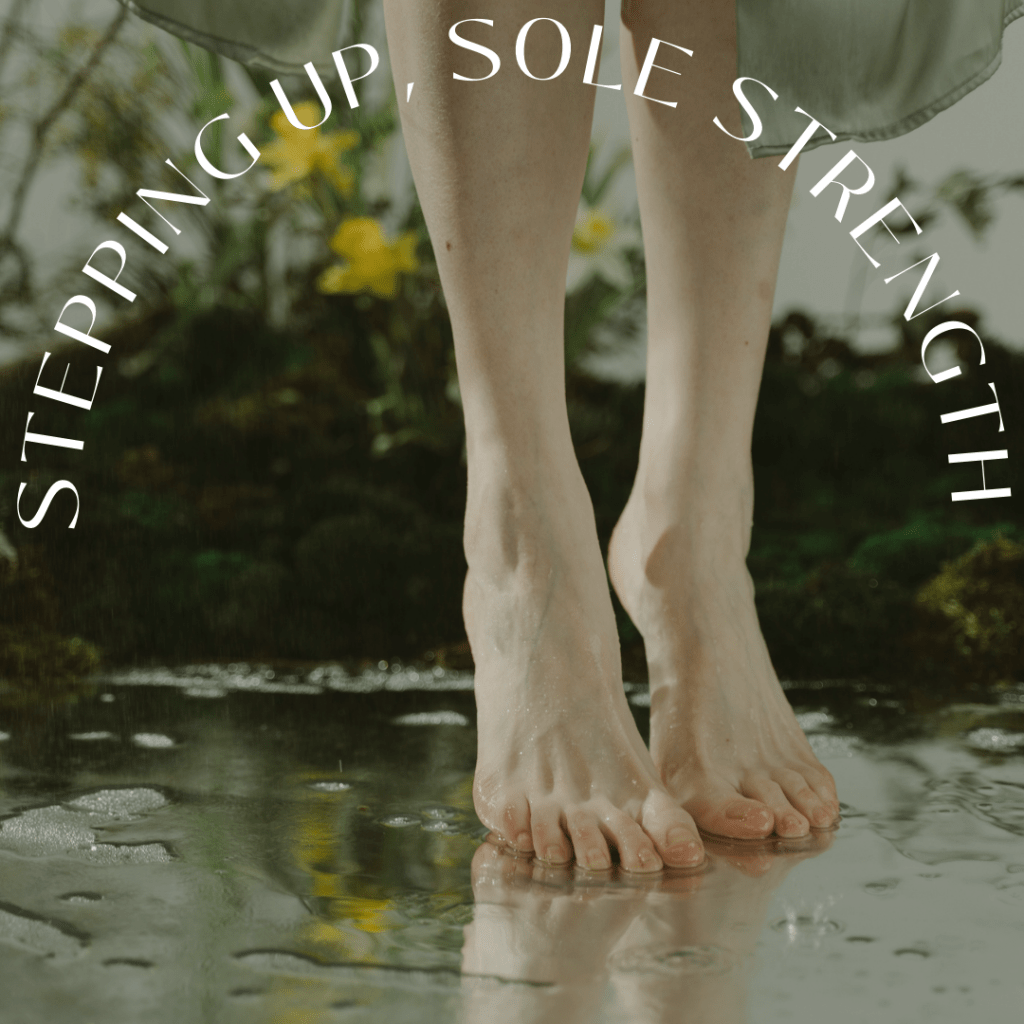
Improved Strength: Exercises like toe curls, heel raises, and toe spreads help strengthen the muscles in your feet, ankles, and lower legs. This added strength can enhance stability and reduce the risk of injuries.
Enhanced Flexibility: Stretching exercises such as toe stretches, ankle rolls, and calf stretches improve the flexibility of your feet and ankles. This increased flexibility can prevent stiffness and discomfort.
Balance and Stability: Certain exercises, like standing on one foot or using balance pads, can improve balance and proprioception. This is crucial for preventing falls and maintaining stability, especially as you age.
Prevention of Foot Problems: Regular foot exercises can help prevent common foot problems such as plantar fasciitis, Achilles tendinitis, and shin splints by keeping the muscles and tendons in your feet and ankles strong and flexible.
Regular practice of exercises for the feet not only improves sensory perception but also contributes to overall health, balance and mobility for all ages.
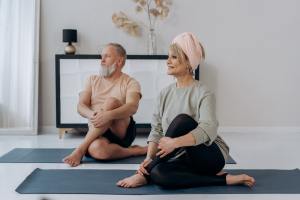
Pilates is a fantastic exercise method that can be easily practiced at home. It focuses on core strength, flexibility, and overall body conditioning. Here are some tips on how to exercise at home using Pilates:
Set up a dedicated space: Find a quiet area in your home where you can spread out a mat or a soft surface to exercise. Ensure that you have enough space to move comfortably.
Warm up: Before starting your Pilates routine, warm up your body with some gentle movements to prepare your muscles for the workout.
Start with the basics: If you’re new to Pilates, it’s essential to begin with foundational exercises. Start with exercises that target your core, such as the Pilates Hundred (abdominal exercise), Pilates Roll-Up (spinal articulation), and Pilates Single Leg Stretch (abdominal strength and coordination).
Follow instructions from a qualified teacher can guide you through various Pilates exercises, ensuring proper form and technique. Look for reputable instructors or platforms that suit your needs and skill level.
Progress gradually: As you become more comfortable with the basic exercises, gradually increase the intensity and challenge of your Pilates routine. Add variations, increase the number of repetitions, or introduce props like resistance bands or Pilates balls to make your workouts more dynamic.
Focus on proper form and alignment: Pilates emphasizes precise and controlled movements. Pay attention to your form, alignment, and breathing throughout each exercise. Engage your core muscles, lengthen your spine, and maintain a neutral posture.
Mix it up: Keep your Pilates routine interesting and diverse by incorporating different exercises that target various muscle groups. Include exercises for the arms, legs, back, and glutes to achieve a balanced full-body workout.
Listen to your body: As with any exercise program, it’s crucial to listen to your body and avoid overexertion or pushing yourself too hard. Take breaks when needed and modify exercises if you have any physical limitations or injuries.
Cool down and stretch: After completing your Pilates session, cool down your body with gentle stretches. Focus on lengthening and stretching the muscles you worked during the workout.
Remember to consult with a healthcare professional or certified Pilates instructor if you have any pre-existing health conditions or concerns. They can provide personalized guidance and modifications based on your needs.
Breathing is easy, it’s natural, you just do it don’t you? But wait a minute, a new book by James Nestor entitled “Breath” points out that it’s not quite so simple!
It turns out that there is more to breathing than just letting it happen and the consequences can be damaging. We all know that if someone gets into a panic, they can start what’s called, hyperventilating, where they breathe deeply and rapidly- with the result that they can feel faint. And sometimes just thinking about a scary or highly stressful incident can induce the same reaction.
In both cases we breathe through our mouths and that we calm down by slowing the breathing down it will reduce the stressful sensations we go back to breathing through our noses-or do we?
Quite often, if the stress is low level and near continuous, we end up mouth breathing more than is healthy. But what’s wrong with breathing through the mouth you ask? Well according to James Nestor, breathing experts point out that nose breathing is the optimum way to breathe, except when undergoing physical exertion.
Why? Because amongst other benefits the nose is our own in-built air filtration and air conditioning system. Catching all the dust, dirt and germs floating around in the atmosphere. Which would otherwise be drawn deeply into the lungs when we breathe with our mouths. Also the air coming in via the nose is warmed and humidified, whereas it isn’t when coming in via the mouth.
Benefits such as these and many others are explained in his book, which whilst fascinating and is highly recommending reading, it doesn’t give any details of practices you can do to alleviate the situation. It appears that nearly all the techniques Nestor mentions are similar to a Yoga teachers handbook of Pranayama together with some of the physical exercises/practices utilised are also taught in a Pilates class. In view of this check out our short and entertaining theory and practical workshop on breathing efficiently for interested people to come and learn more about how the body breathes, how you can improve your breathing via some simple exercises from Yoga and Pilates and understanding what benefits you can gain.
References:
Nestor, J (2021) Breath, The New Science of a Lost Art.


 fitness-excel.com