
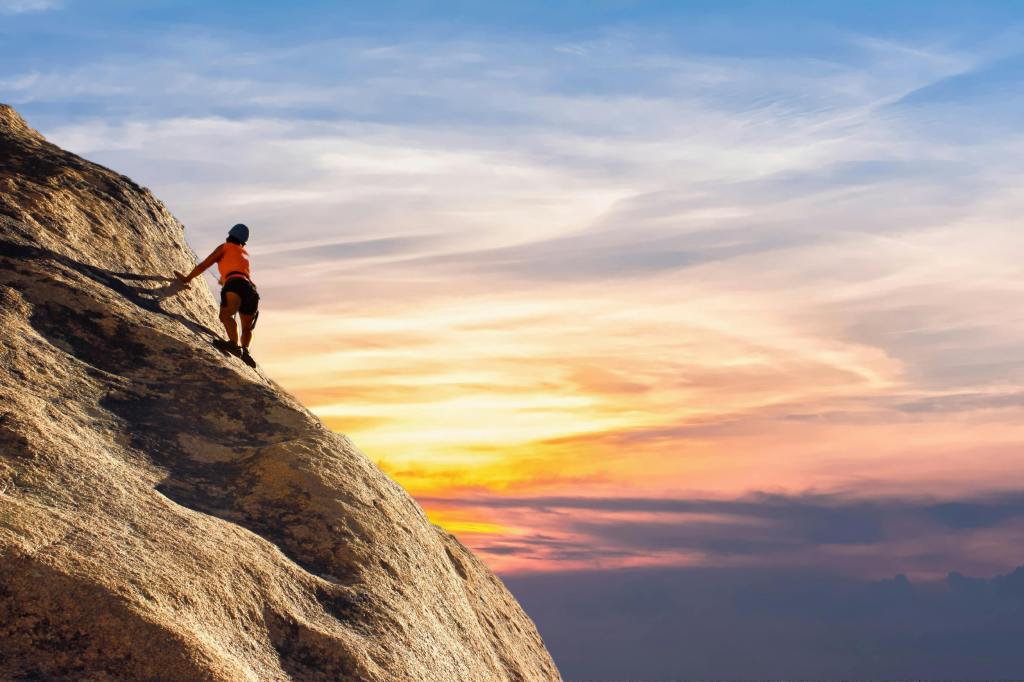
Rediscover your Sense of Adventure

As autumn approaches, there is a desire to try a new experience and break free from your routine. Research shows global market trends where more and more people are seeking new experiences each year with many different opportunties to reconnect and rediscover your inner wanderer. How can we develop our adventurous side? Sometimes it takes courage to step outside your comfort zone. It is not always straightforward to travel and book 2-3 weeks off, so why not try to incorporate small adventures into your every day life, this could be walking or driving a new route, visit a new place to eat or meet up with friends, attend a talk, read a different book, learn a new skill or activity like a walking group or join a shorter weekend break. Sarah is organising a short adventure trip to the Isle of Iona, Scotland from 18-20th October 2025, with inspiring talks, invigorating Pilates and scenic walks, this short break offers an idyllic location for a quick escape. Part of the journey is the adventure of getting to the destination and there are ample opportunities to explore neighbouring islands such as Mull.
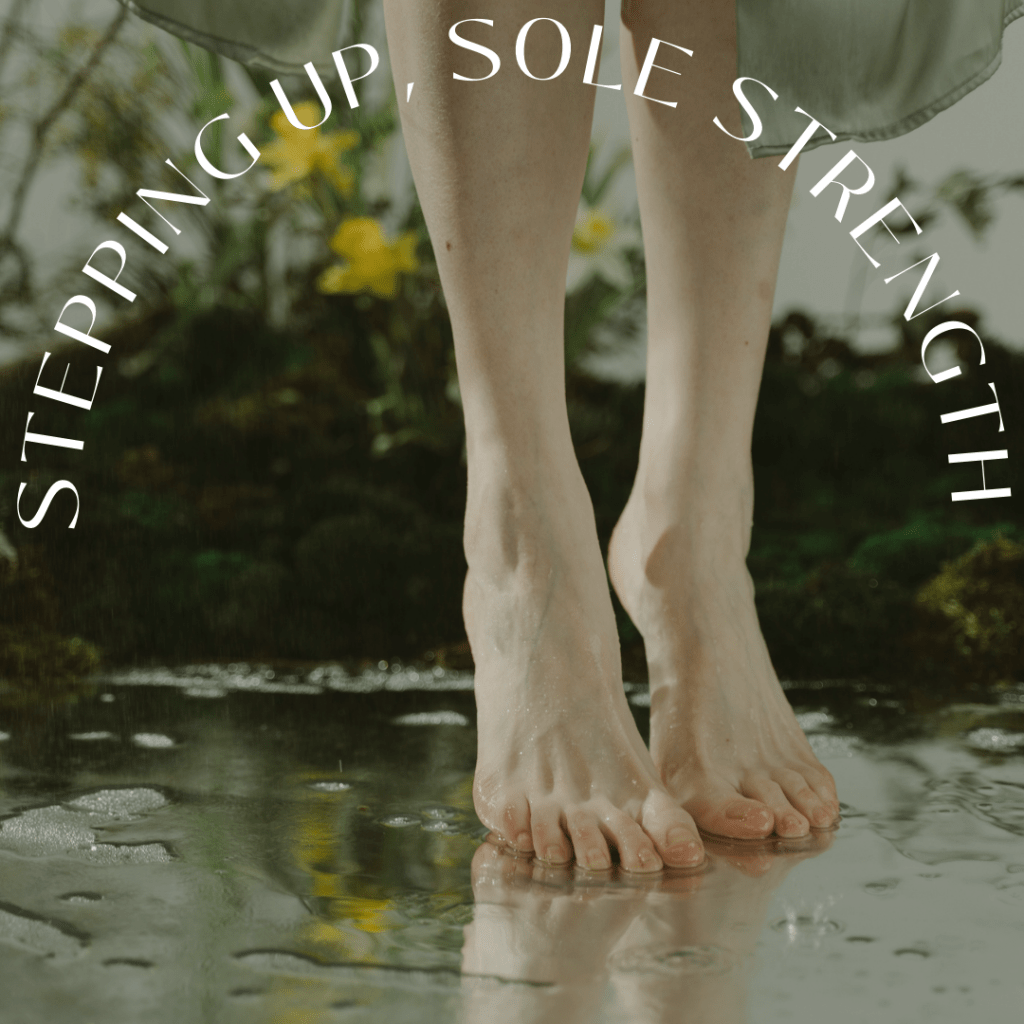
Stepping Out – Sole strength

Why is it important to do foot exercises?

Here are a few benefits:

  1. Improved Strength: Exercises like toe curls, heel raises, and toe spreads help strengthen the muscles in your feet, ankles, and lower legs. This added strength can enhance stability and reduce the risk of injuries.
  2. Enhanced Flexibility: Stretching exercises such as toe stretches, ankle rolls, and calf stretches improve the flexibility of your feet and ankles. This increased flexibility can prevent stiffness and discomfort.
  3. Balance and Stability: Certain exercises, like standing on one foot or using balance pads, can improve balance and proprioception. This is crucial for preventing falls and maintaining stability, especially as you age.
  4. Prevention of Foot Problems: Regular foot exercises can help prevent common foot problems such as plantar fasciitis, Achilles tendinitis, and shin splints by keeping the muscles and tendons in your feet and ankles strong and flexible.

Regular practice of exercises for the feet not only improves sensory perception but also contributes to overall health, balance and mobility for all ages.

Pilates at Home, Effective Workouts

Pilates is a fantastic exercise method that can be easily practiced at home. It focuses on core strength, flexibility, and overall body conditioning. Here are some tips on how to exercise at home using Pilates:

  1. Set up a dedicated space: Find a quiet area in your home where you can spread out a mat or a soft surface to exercise. Ensure that you have enough space to move comfortably.
  2. Warm up: Before starting your Pilates routine, warm up your body with some gentle movements to prepare your muscles for the workout.
  3. Start with the basics: If you’re new to Pilates, it’s essential to begin with foundational exercises. Start with exercises that target your core, such as the Pilates Hundred (abdominal exercise), Pilates Roll-Up (spinal articulation), and Pilates Single Leg Stretch (abdominal strength and coordination).
  4. Follow instructions from a qualified teacher can guide you through various Pilates exercises, ensuring proper form and technique. Look for reputable instructors or platforms that suit your needs and skill level.
  5. Progress gradually: As you become more comfortable with the basic exercises, gradually increase the intensity and challenge of your Pilates routine. Add variations, increase the number of repetitions, or introduce props like resistance bands or Pilates balls to make your workouts more dynamic.
  6. Focus on proper form and alignment: Pilates emphasizes precise and controlled movements. Pay attention to your form, alignment, and breathing throughout each exercise. Engage your core muscles, lengthen your spine, and maintain a neutral posture.
  7. Mix it up: Keep your Pilates routine interesting and diverse by incorporating different exercises that target various muscle groups. Include exercises for the arms, legs, back, and glutes to achieve a balanced full-body workout.
  8. Listen to your body: As with any exercise program, it’s crucial to listen to your body and avoid overexertion or pushing yourself too hard. Take breaks when needed and modify exercises if you have any physical limitations or injuries.
  9. Cool down and stretch: After completing your Pilates session, cool down your body with gentle stretches. Focus on lengthening and stretching the muscles you worked during the workout.

Remember to consult with a healthcare professional or certified Pilates instructor if you have any pre-existing health conditions or concerns. They can provide personalized guidance and modifications based on your needs.